
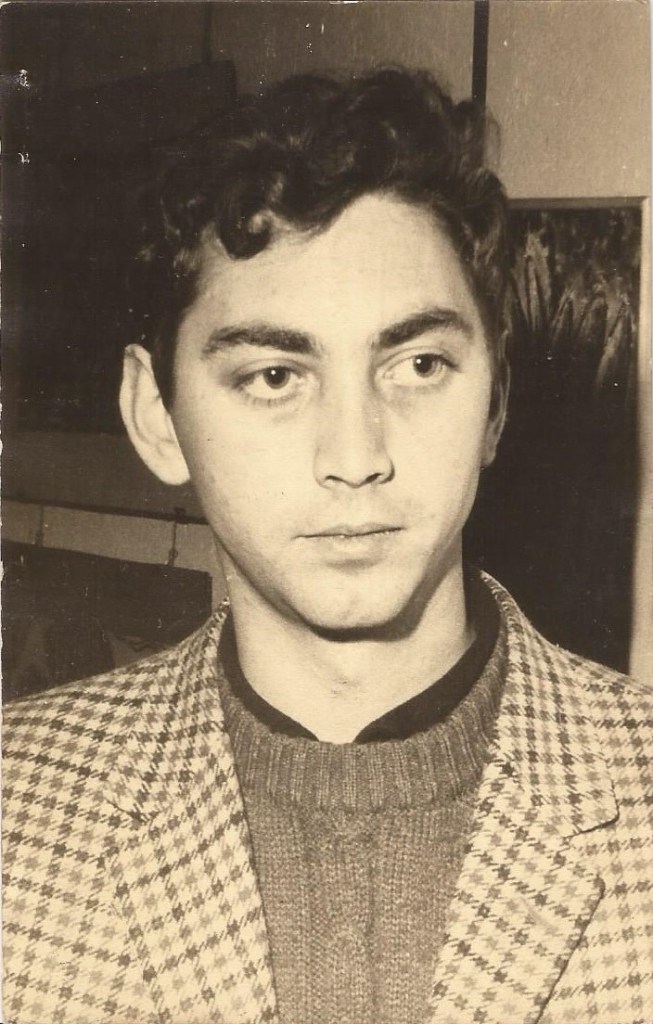
The young Sevillano 1942 – 1967:
Ángel Sevillano Estremera was born in the city of Vigo in Spain, on January 31, 1942. He was the first-born son of the journalist and writer Angel Sevillano García, and Carmen Estremera Rincón; who was followed by three other siblings: Jesús, Eugenia and María del Carmen.
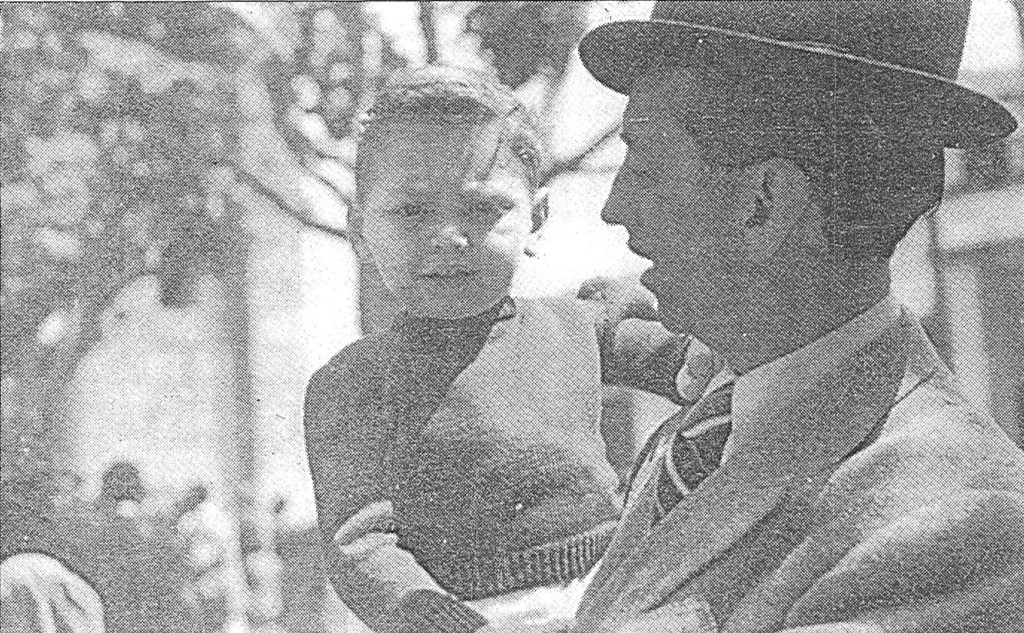
Angel Sevillano in the arms of his father, the journalist and writer Ángel Sevillano García 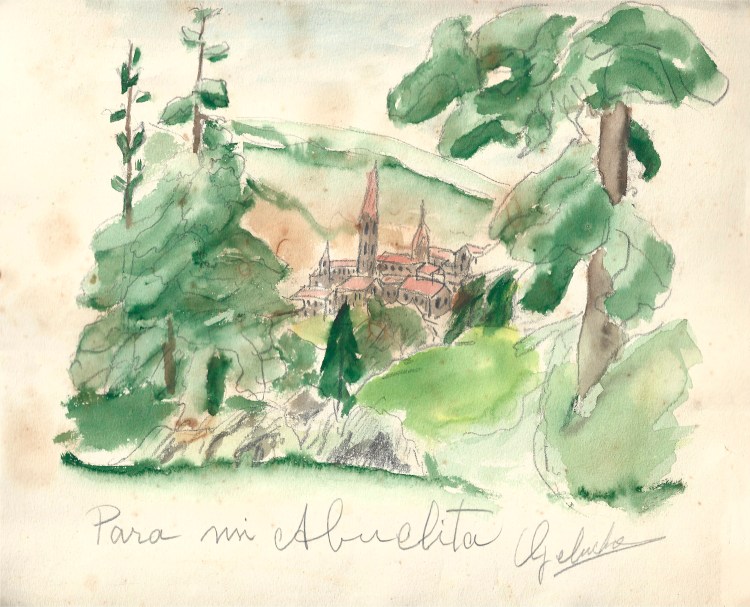
One of the paintings that Sevillanomade as a child
Despite the fact that until he was five years old, Sevillano said that when he grew up he wanted to be a writer like his father, a couple of years later the intellectual and artistic environment in which his father related led him to be interested at a very early age in the painting. He began painting at home in a self-taught way, small landscapes that he dedicated to the members of the family with affectionate notes; and at the age of twelve he began attending painting classes at the School of Arts and Crafts in Vigo, which he combined with his high school studies. In 1958 he received the first prize from him in the Open Air Drawing and Painting Contest of Vigo.
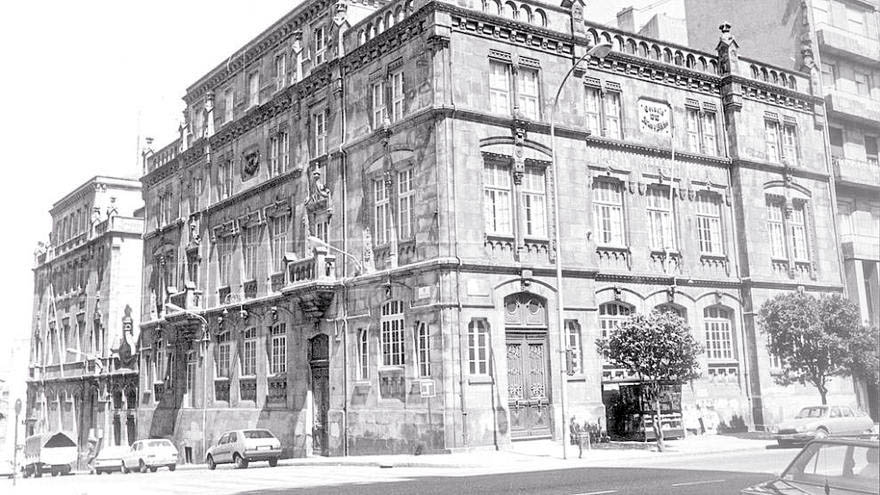
On November 1, 1960, he held his first exhibition of oil paintings in the Foto Club room in Vigo, which was made up of twenty-five paintings with representations of rural and urban landscapes and some still lifes. The exhibition received good reviews from the press, and several collectors were encouraged to acquire some of the young painter’s works. More than one anecdote also occurred, since several of those attending the exhibition were confused when they did not hear any Andalusian accent from the young man; and it is that due to his Sevillano surname, more than one thought that he was a native painter from the south of Spain.
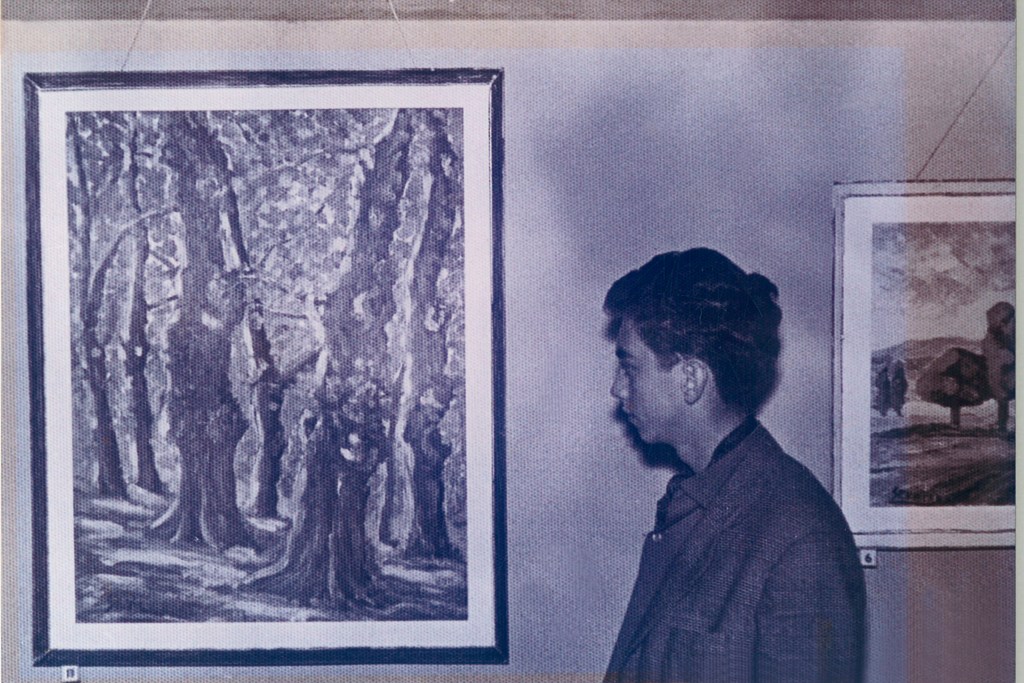
After the success of the exhibition and having offered scholarships and trips to America, his father, who was very knowledgeable about the artistic world, would tell him on some occasion: «You can paint; but from studying, there is no brush that will save you.»
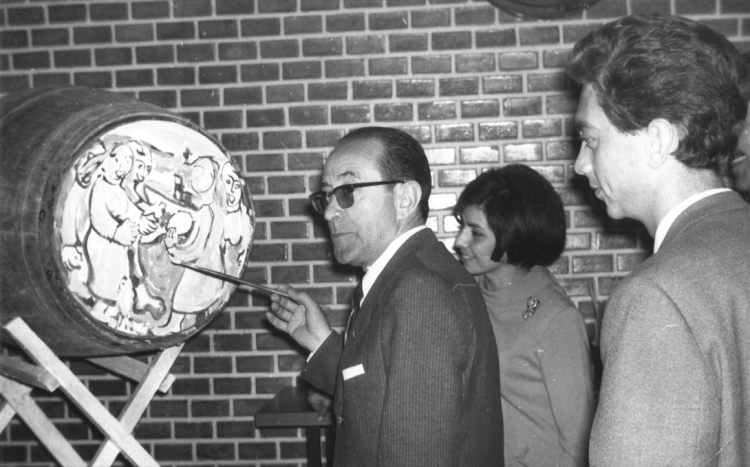
Thus, effectively in 1962 he won the Honor Award at the IV Youth Art Contest and received an art pension from the Pontevedra Provincial Council, with which he studied for two years at the San Carlos School of Fine Arts, in Valencia, and later at the Royal Academy of Fine Arts of San Fernando, in Madrid; finishing his studies in 1967.
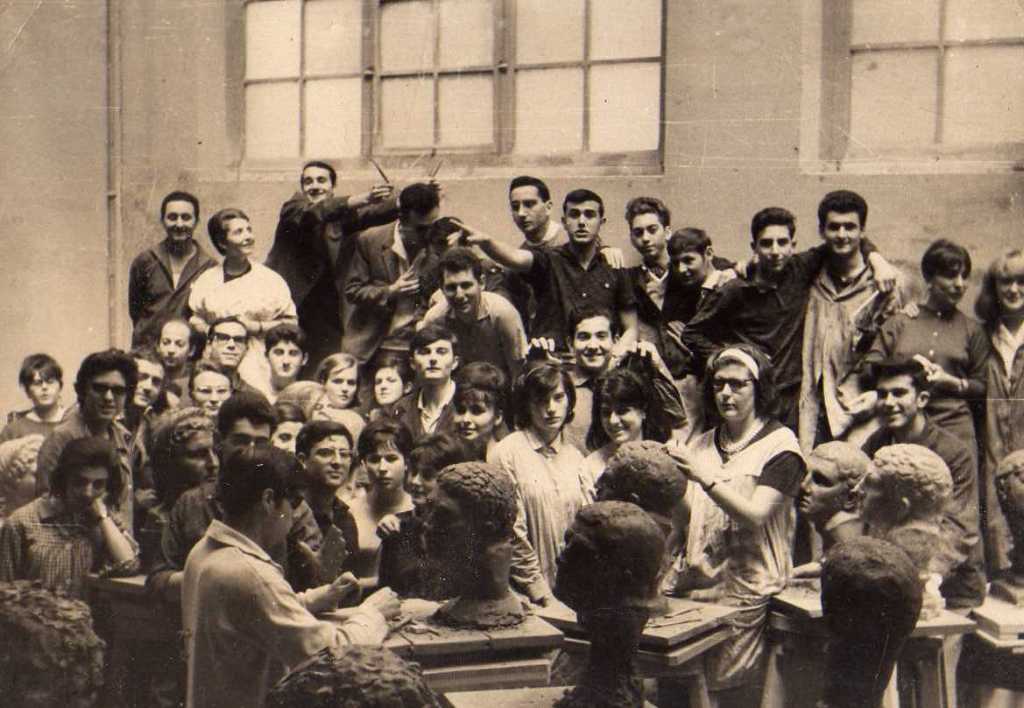
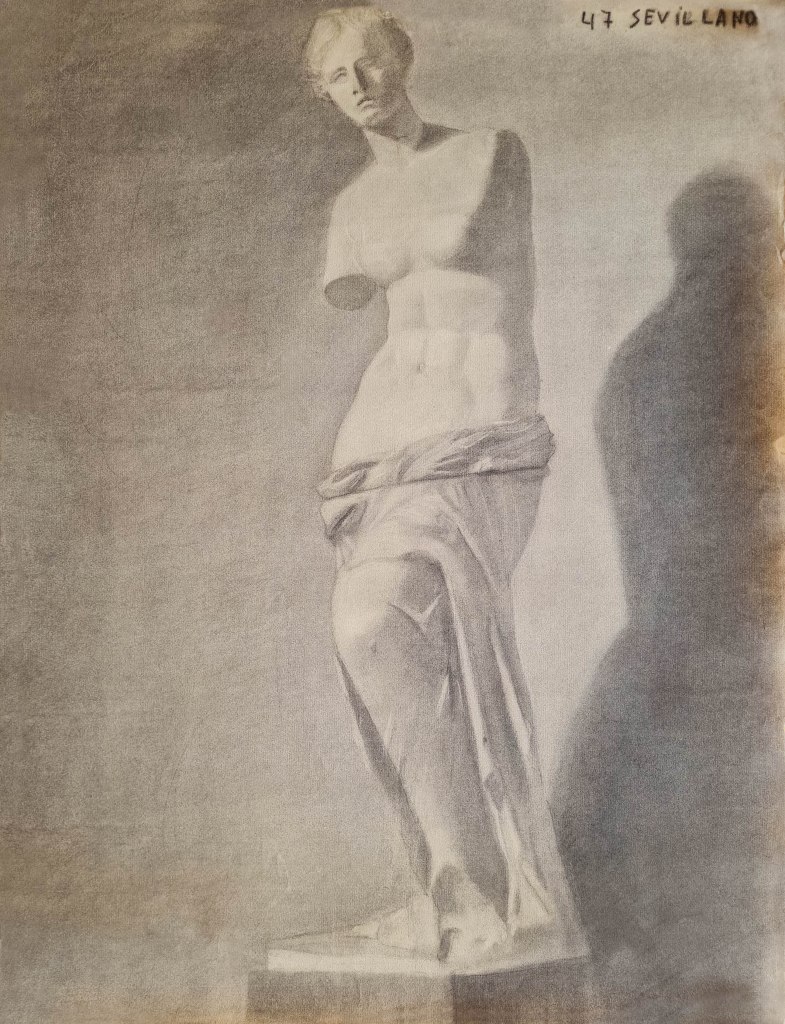
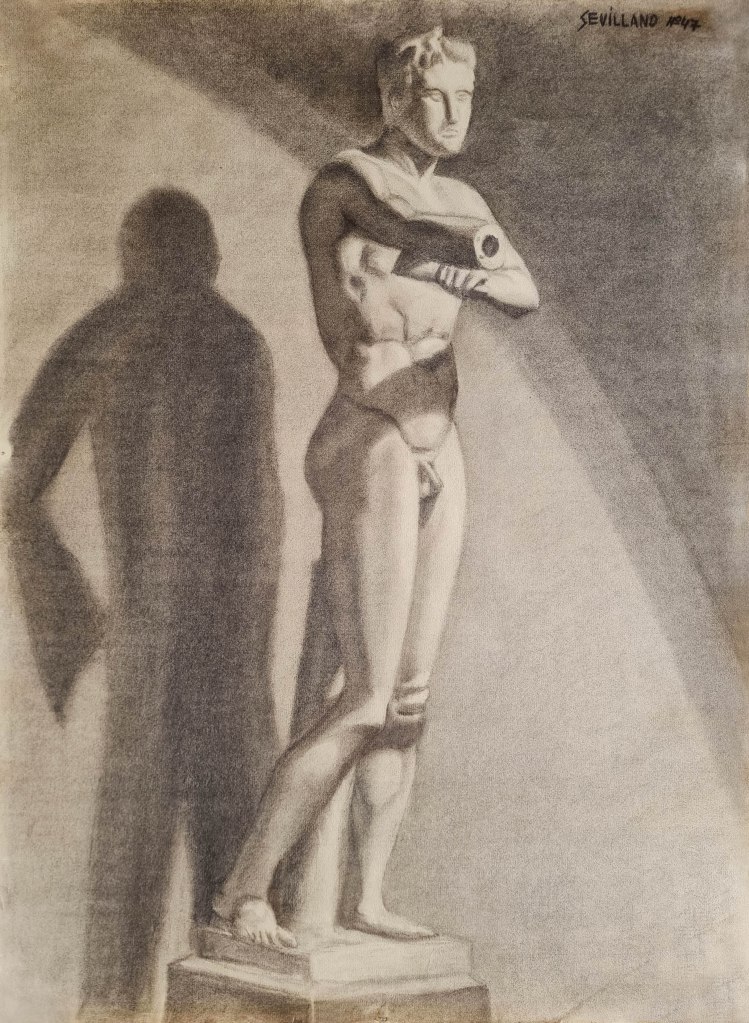
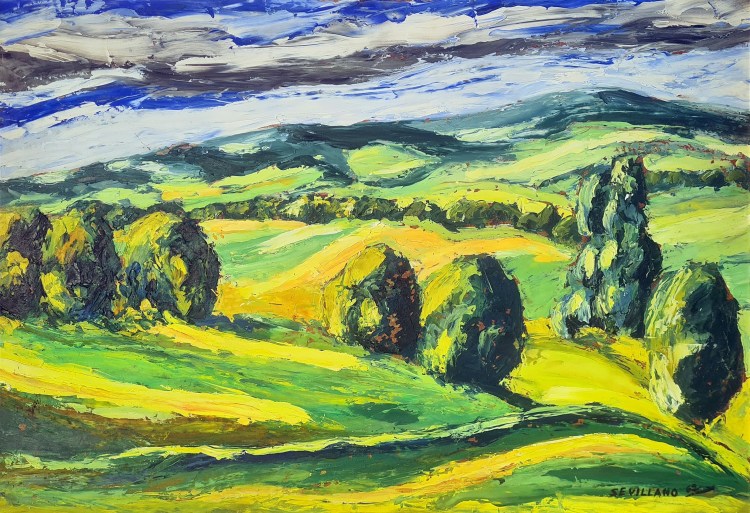
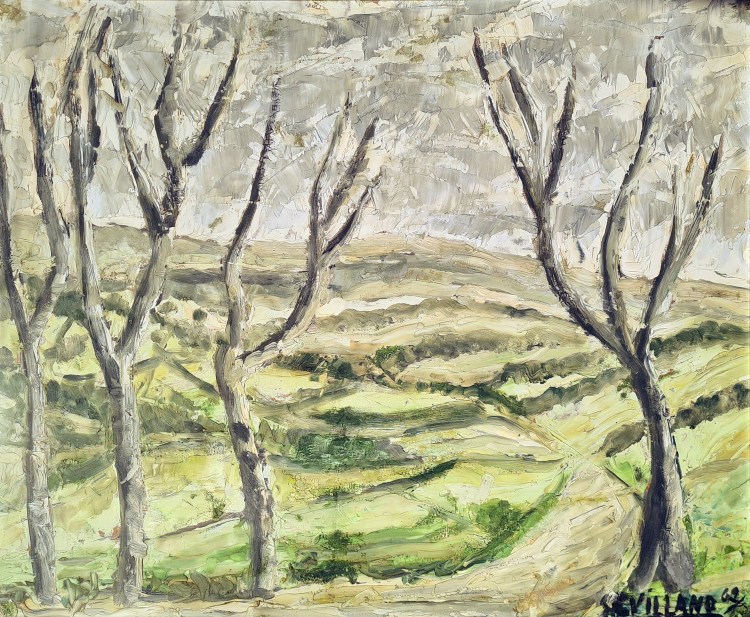
During this stage his work focused mainly on landscape; places full of greenery, mountains, Iberian pines, and flora inspired by his native land Galicia. Some reflecting the changing of the seasons. This phase was brief, making the pieces a rarity for collectors.
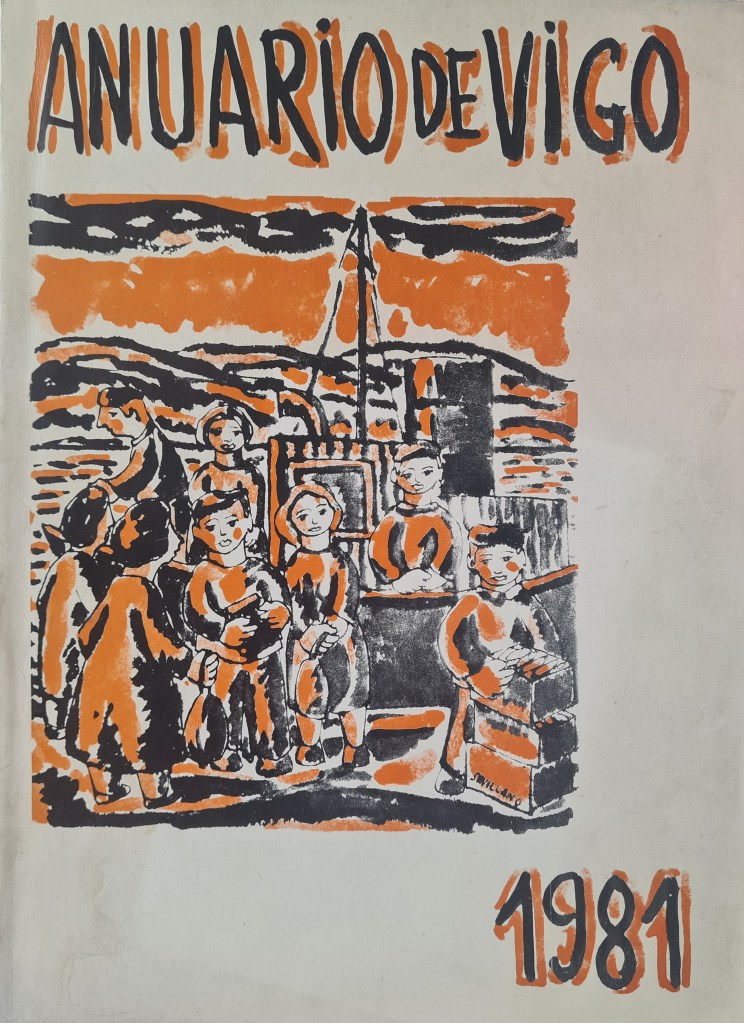
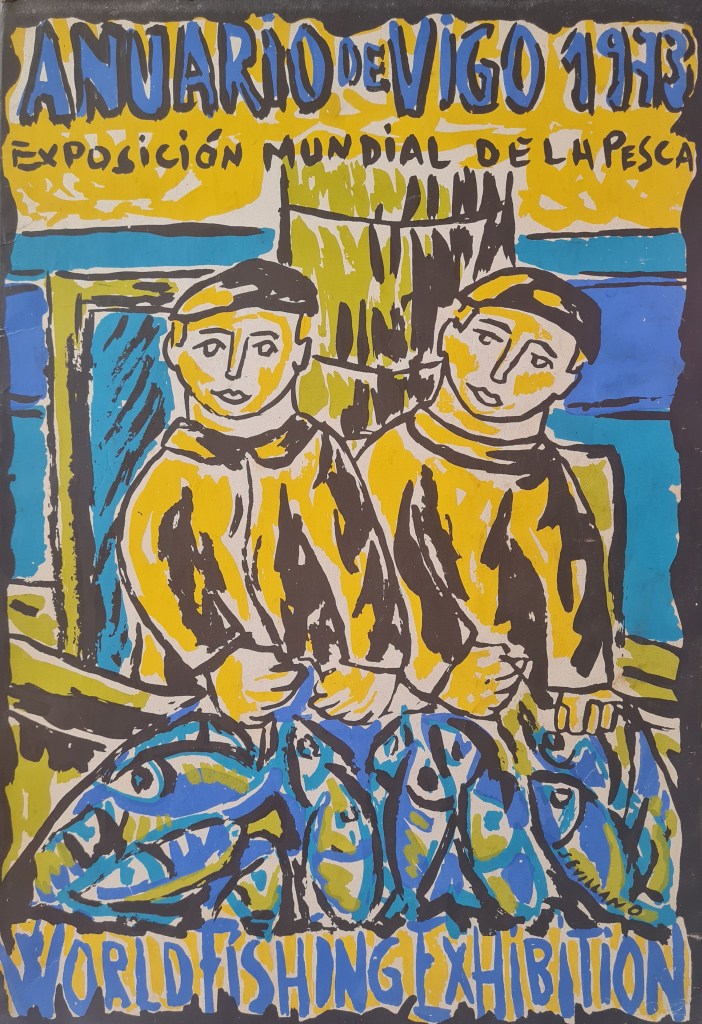
Sevillano combined his Fine Arts studies with exhibitions, and illustration for the Madrid newspaper «Arriba» and the «Anuario de Vigo» magazine, work which he continued to do until well into the seventies.
First artistic stage 1964 – 1980:
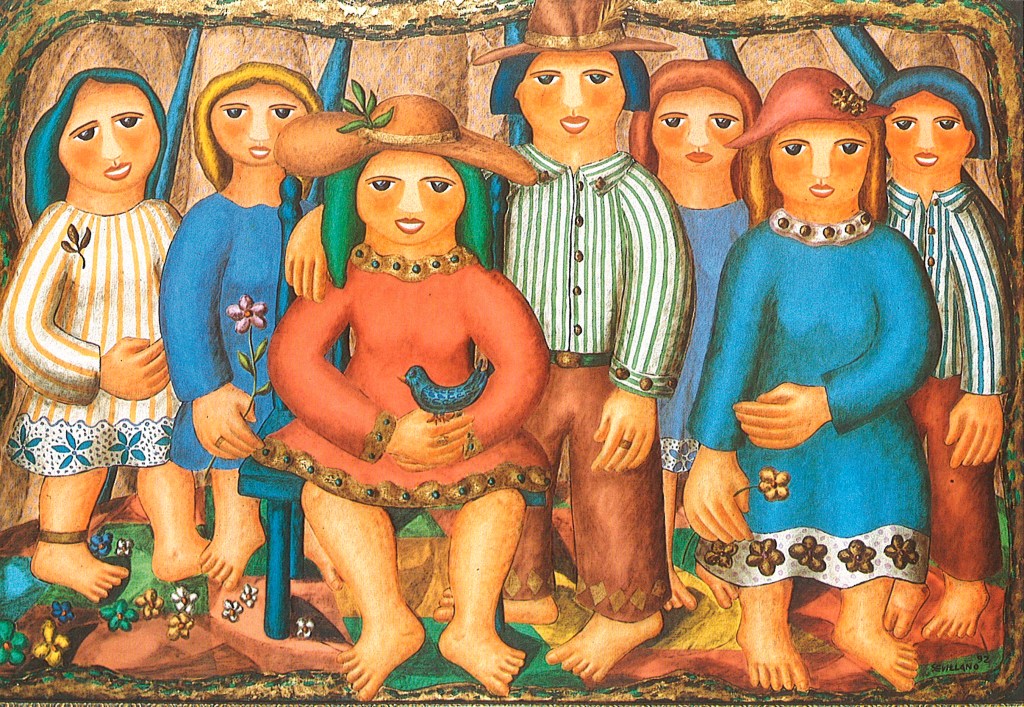
In an exhibition held in 1964, the human figure appears for the first time in Sevillano’s work, in order to occupy the leading role in his creations from now on: Sometimes alone, in pairs or in crowds, carrying objects such as birds and flowers. With friendly smiles and a halo of ingenuity, his characters dance, pose and celebrate; in daily tasks, traditions and popular festivities or scenes of emigration. In a palette of ocher, red and blue tones.
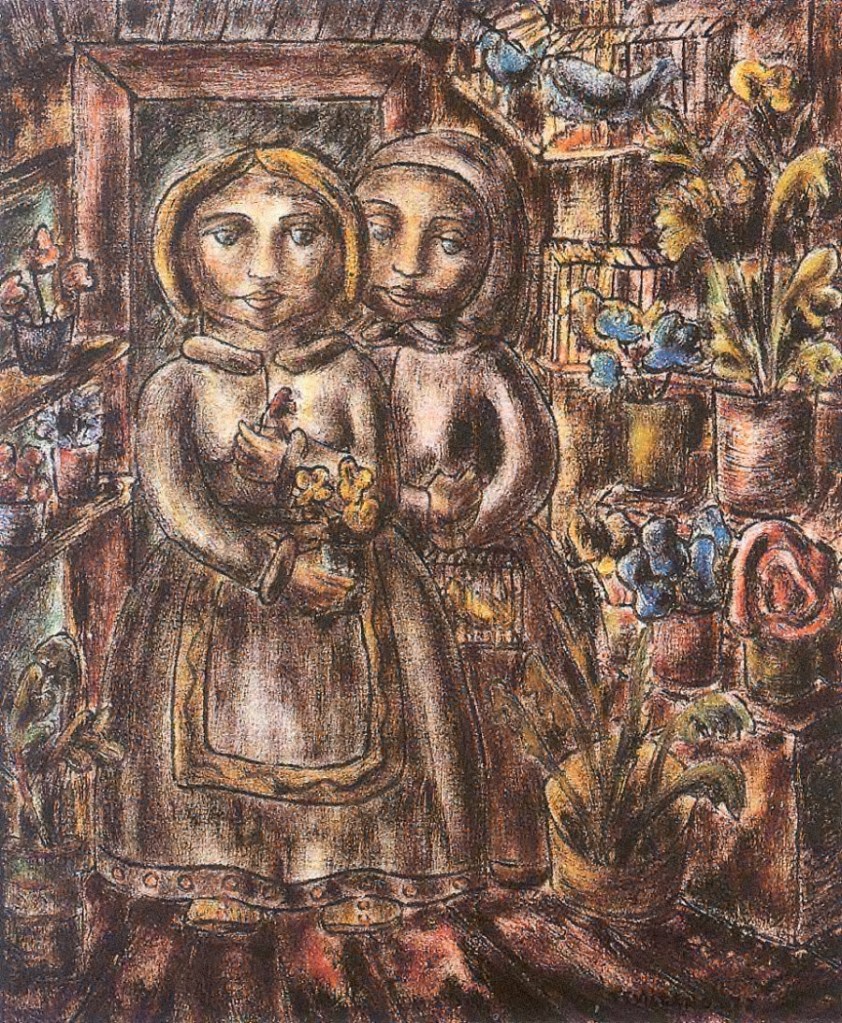
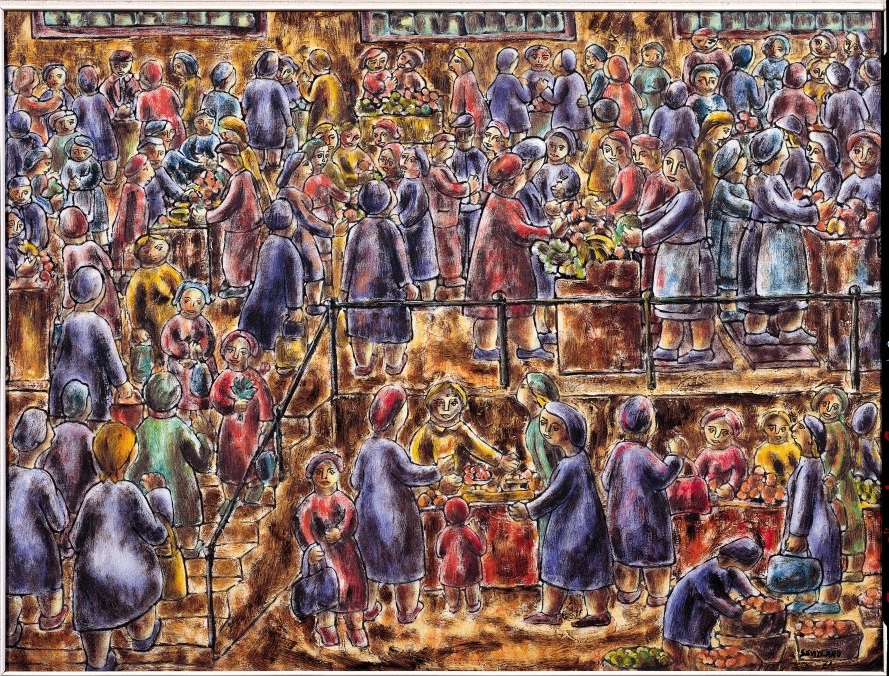
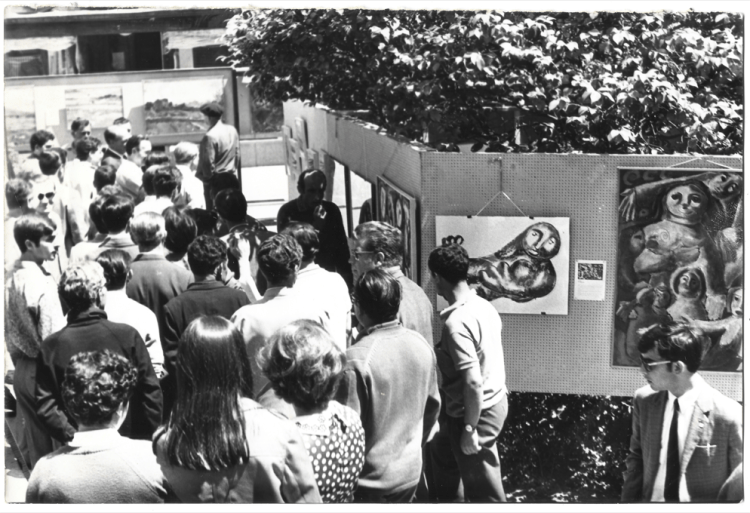
He worked as a drawing and painting teacher at the Santa Irene Institute in Vigo, alternating his teaching work with his artistic career. He held numerous exhibitions arousing great interest in his work by the public and the press, among which one in Paris and another in London stand out in 1974, as a result of a contract signed with a Valencian gallery.

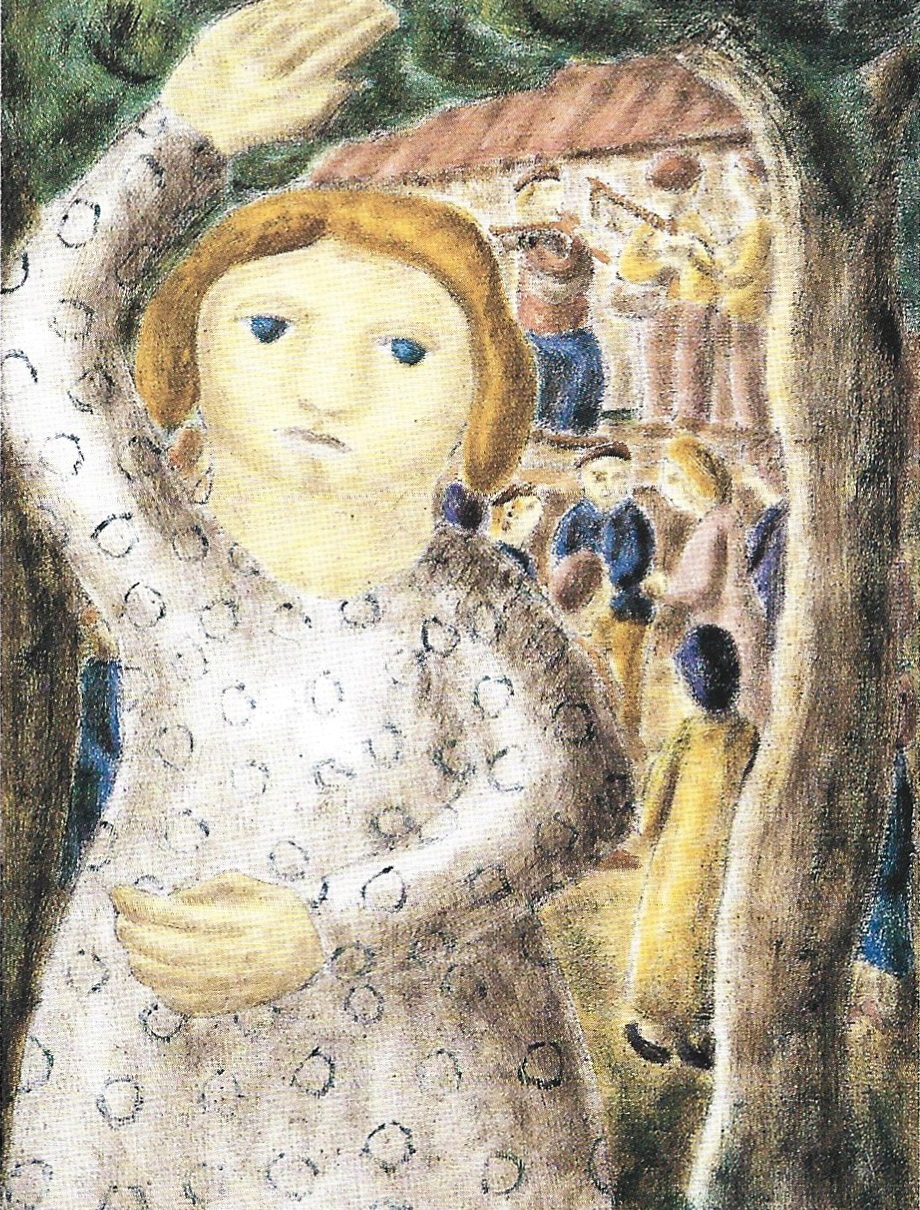

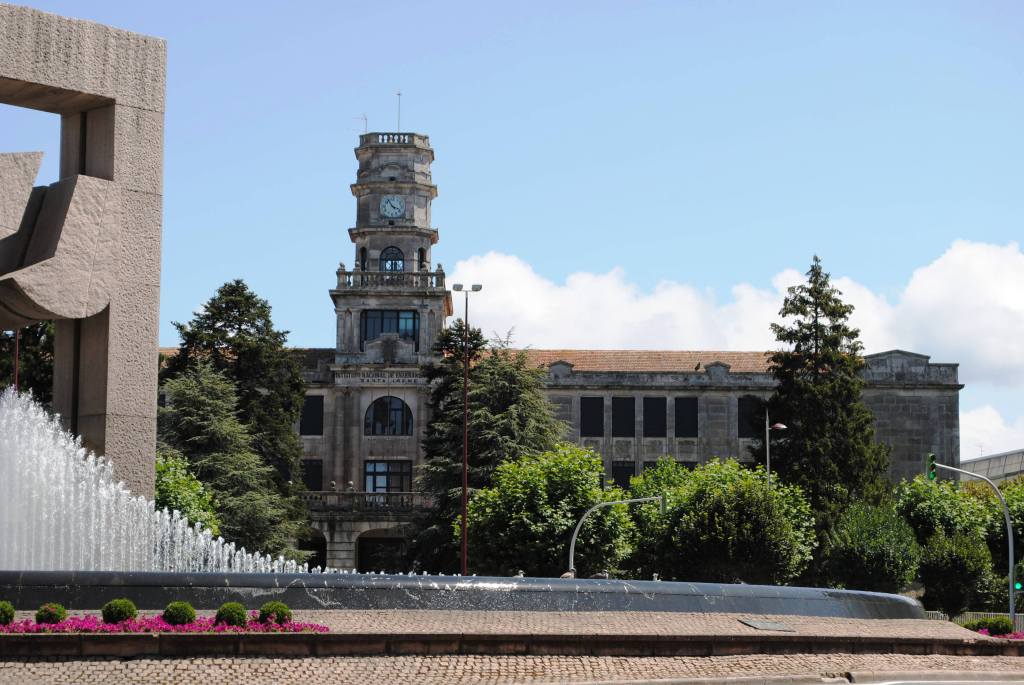
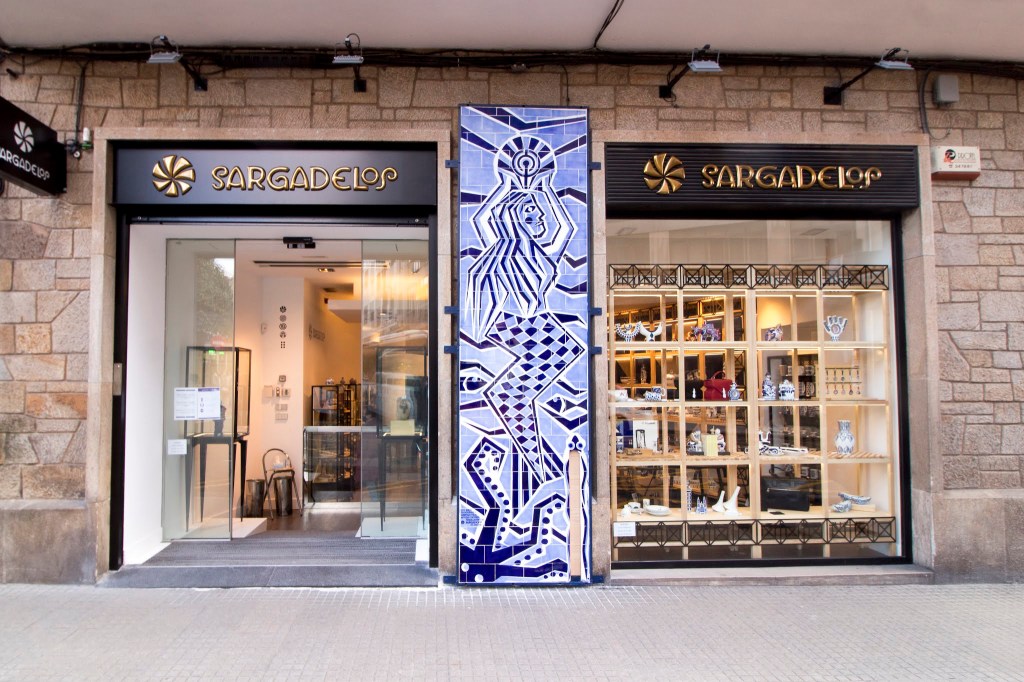
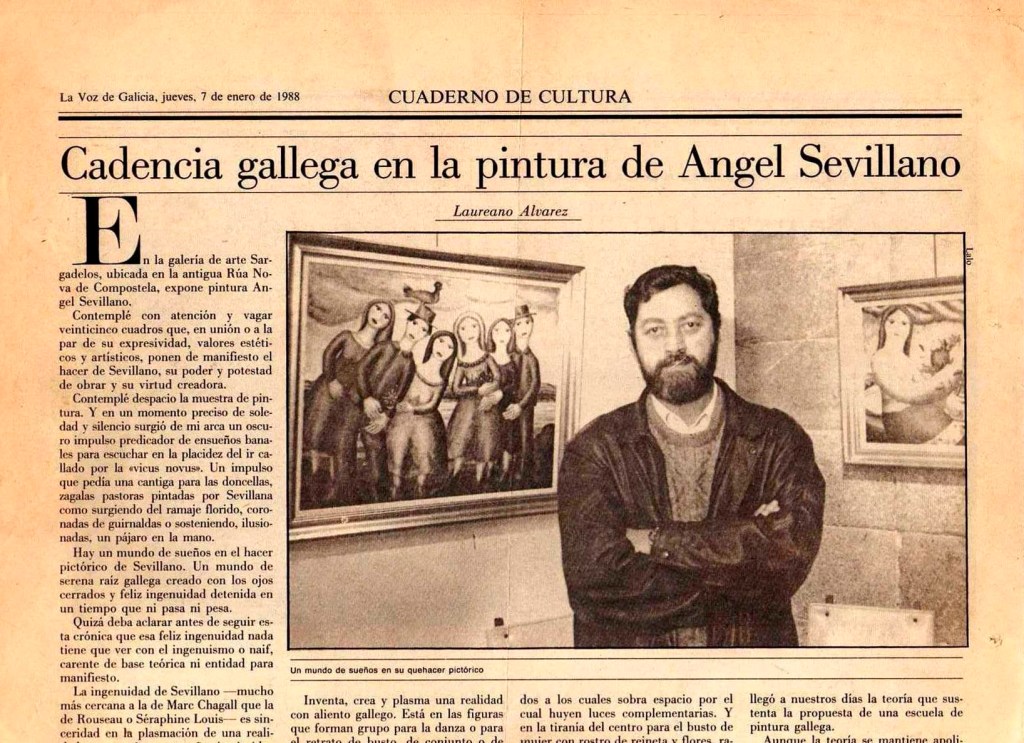
In 1976 he moved his residence to Santiago de Compostela, where he taught at the Rosalía de Castro Institute. There he holds exhibitions, among which the one at the Aula de Cultura de Santiago and the Sargadelos Gallery stand out.
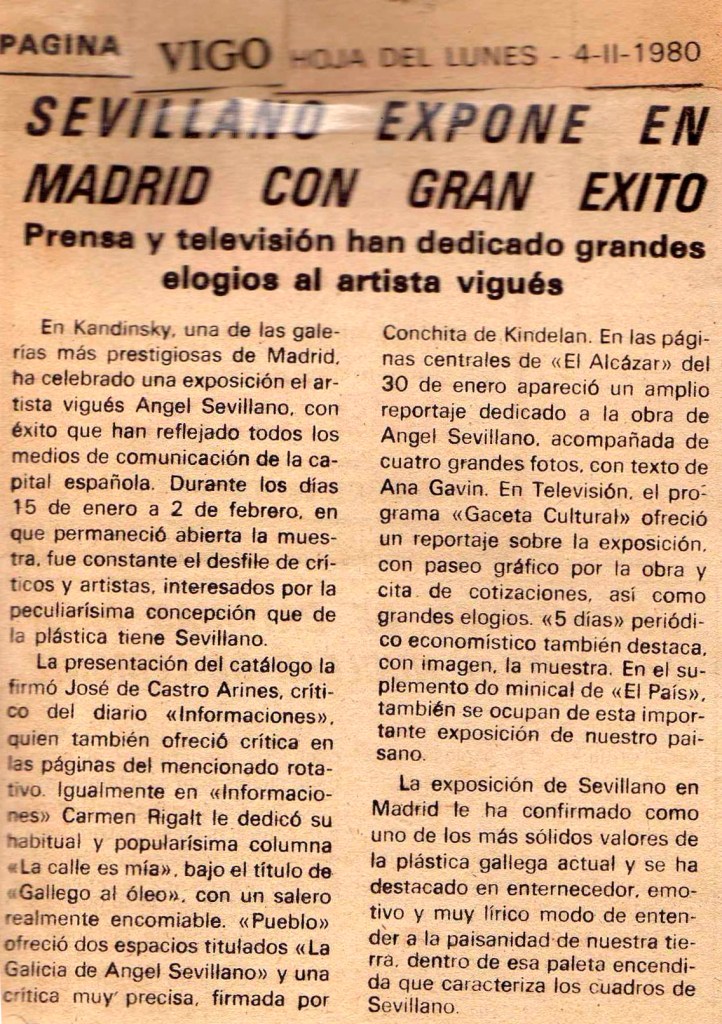
In 1980, the renowned Kandinsky Gallery in Madrid organized an exhibition echoed by numerous newspapers and television channels of the time. And which got good reviews.
The light of America 1980 – 1986:
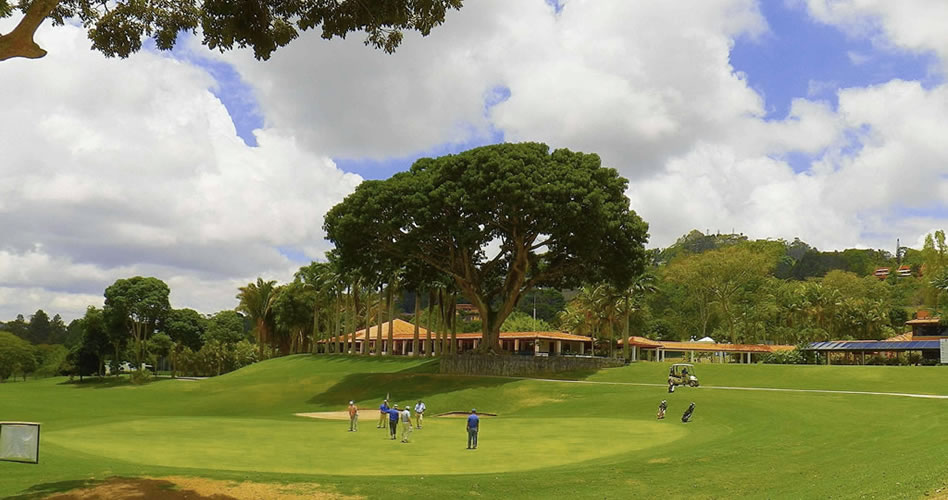
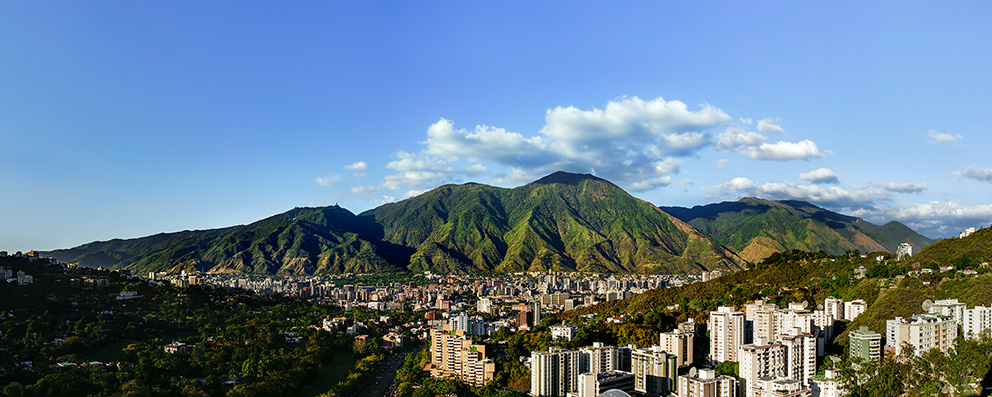
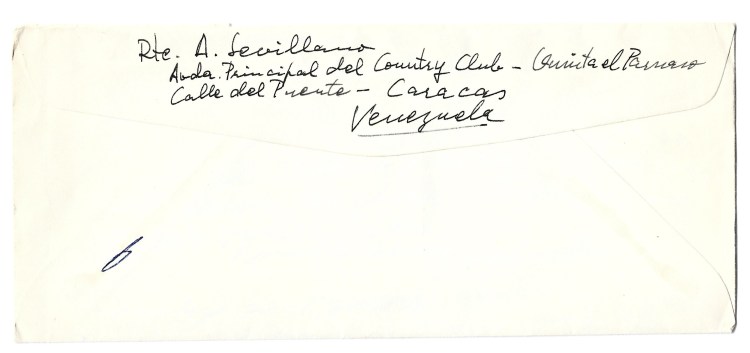
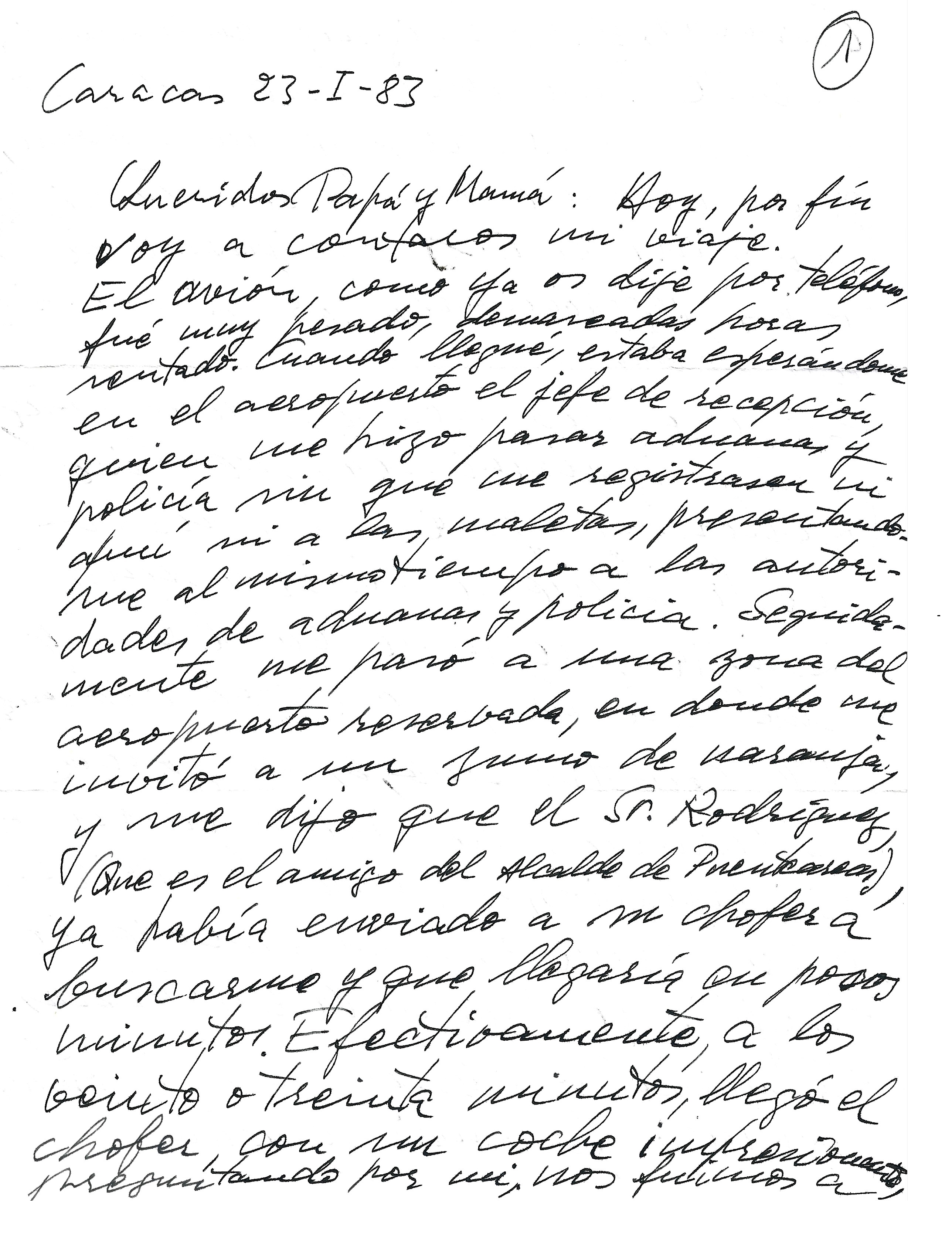
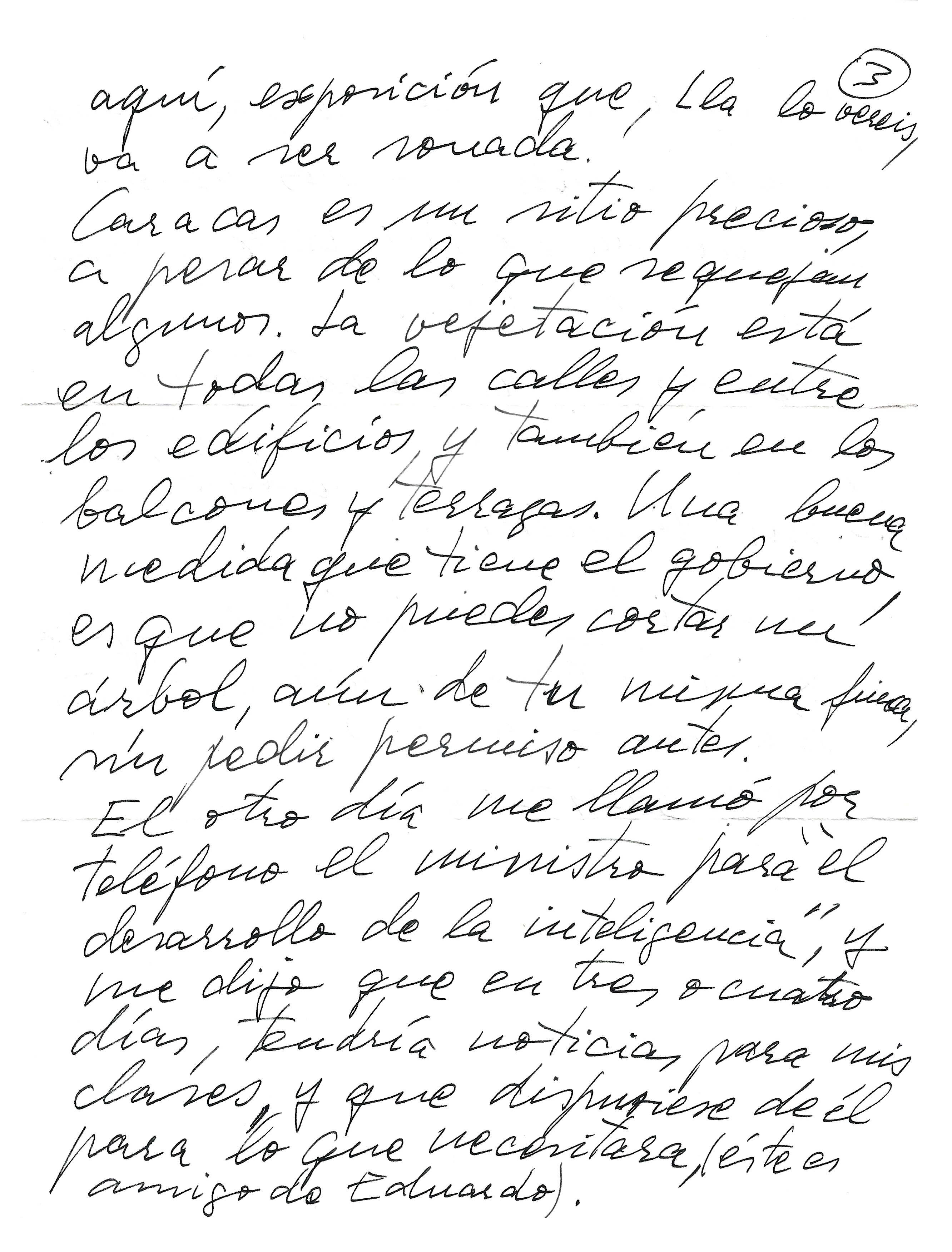
In 1980 Sevillano decides to move to America. Among the chosen destinations were Argentina and Peru, but advised by some friends he moved to Caracas, the capital of Venezuela; the thriving Caribbean country. There he resides in the Country Club of Caracas where he is fully dedicated to creating new work and exhibiting, and is related to the Spanish diaspora and some of the select circles of Venezuelan society. He will hold various exhibitions in Venezuela, as well as in Colombia and other South American countries.
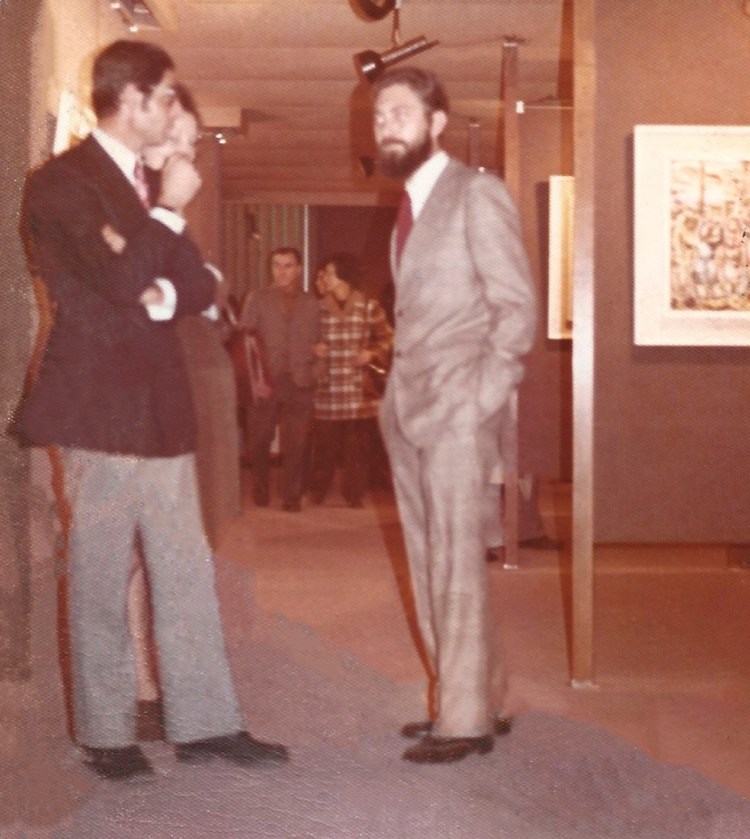
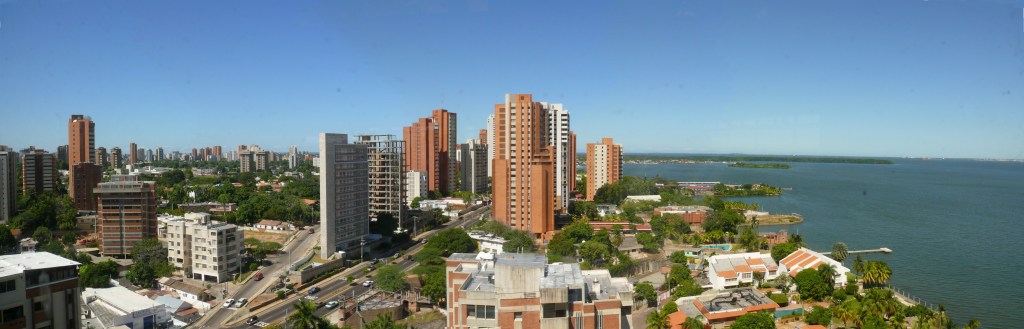
In January 1984 he traveled to Maracaibo, the capital of the oil state of Zulia, where he held an exhibition at the Club Gallego de Maracaibo and at the Centro Social Deportivo Español. City in which he also resides for several months and where he will eventually marry again, a Venezuelan.
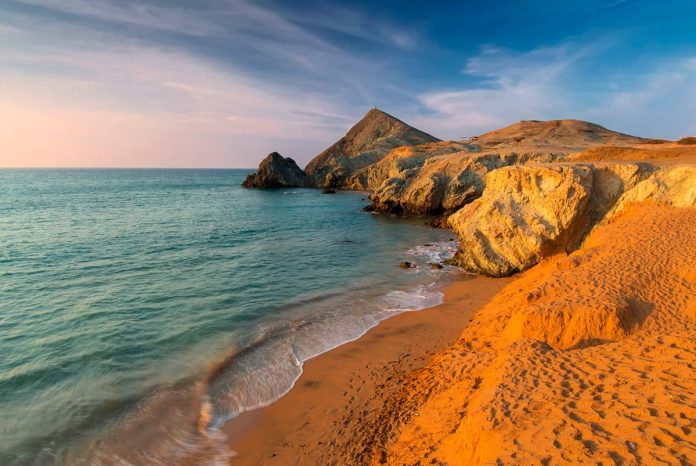
In addition to this, he travels to the La Guajira Peninsula, located in front of the Caribbean Sea between Colombia and Venezuela, where he has the opportunity to interact with some families of the Wayuu nobility, and witness their traditions: such like the funeral of a Cacique (Wayuu Chief) which was attended by the TV Española Internacional and other national local media. The landscapes, colors and crafts of the area would also have a notable influence on his new artistic production.
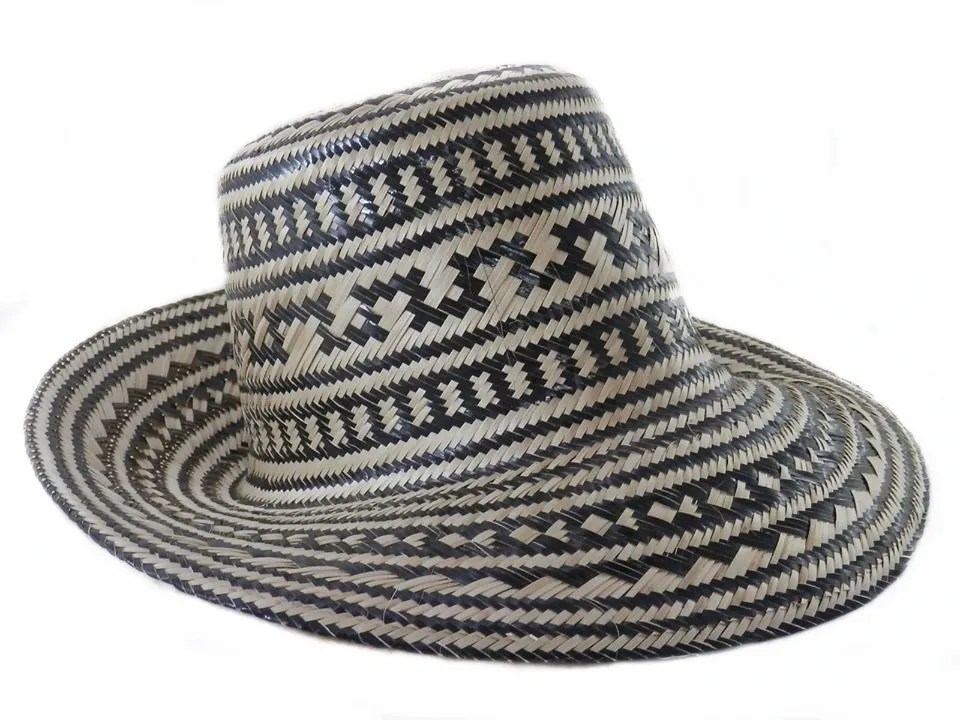
From this experience in America, Sevillano’s work is impregnated with light and bright colors as well as new characters and settings that intermingle with those of the old continent. In a tribute to the ties and the Latin and Hispanic heritage, which have united Spain and America for five hundred years of history. His characters now wear hats, feathers, and suits with Amerindian geometric patterns. As well as colorful jewelry, and hair in shades of blue and green. Exuberant vegetation and landscapes with turquoise waters. Characters that dance, float, hug and laugh in constant celebration.
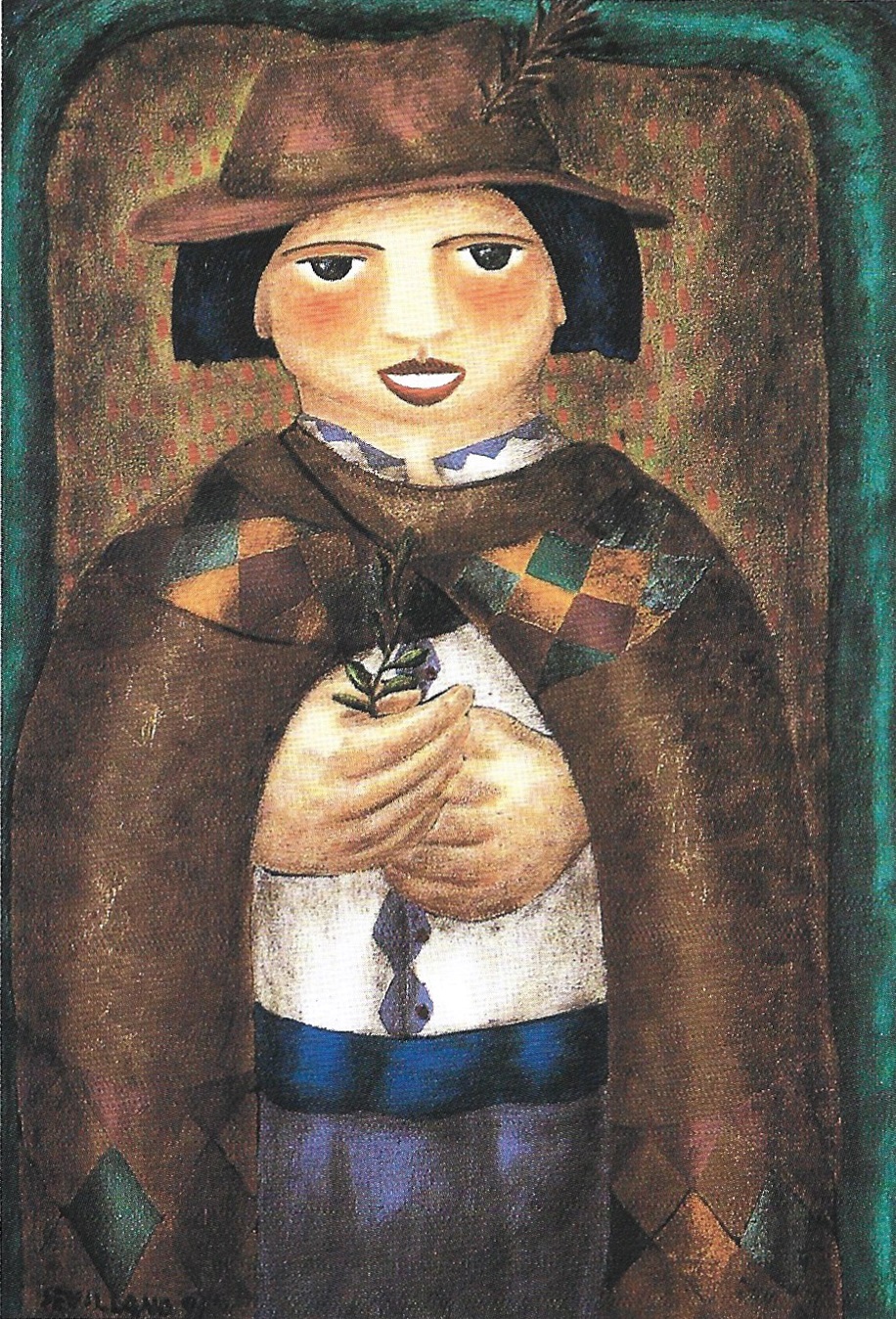
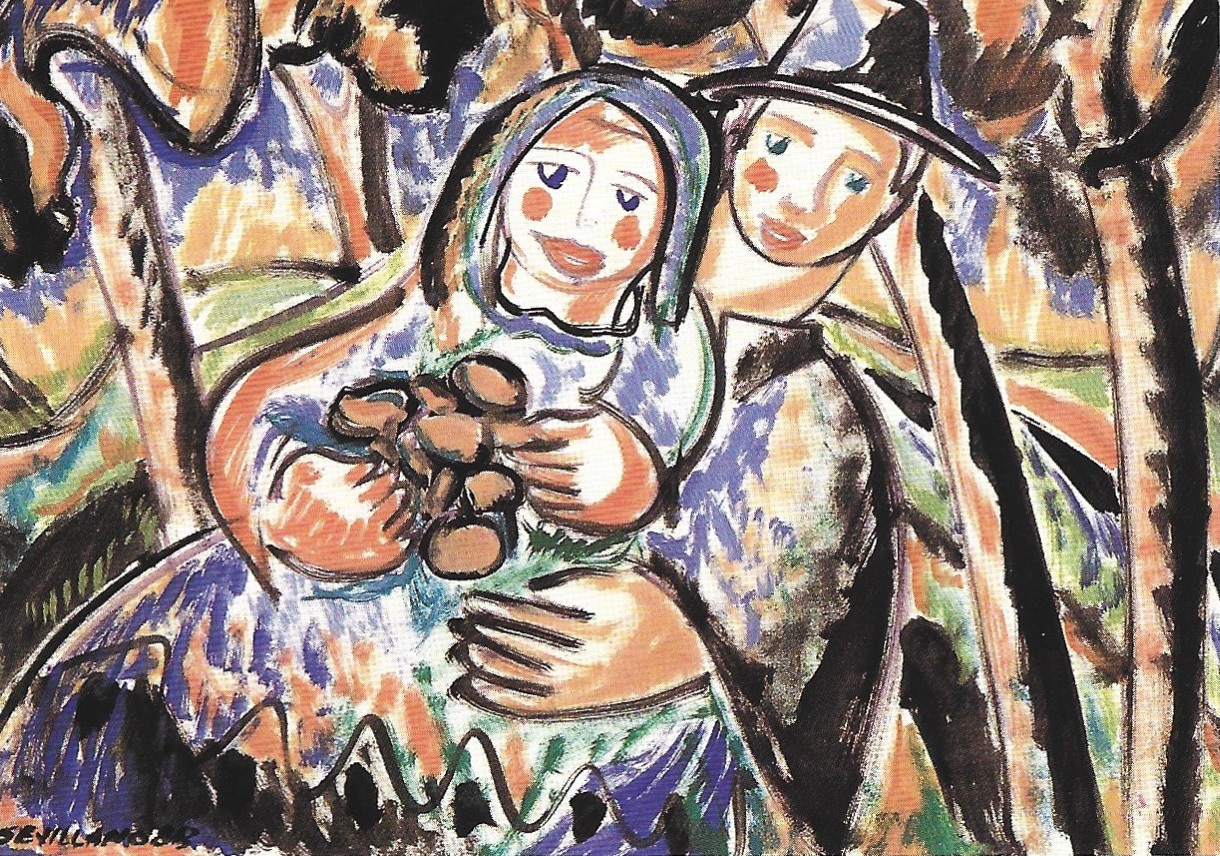
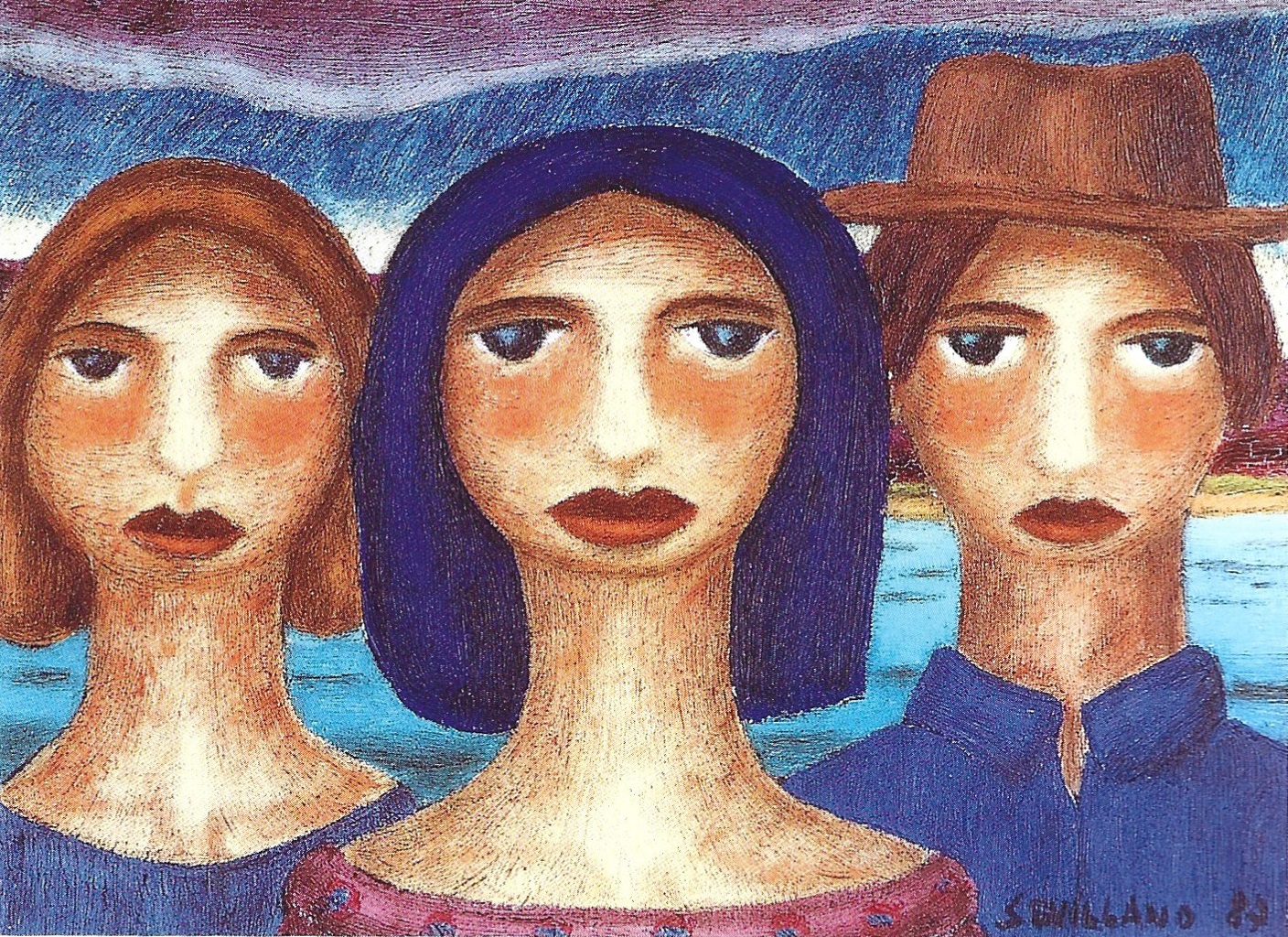
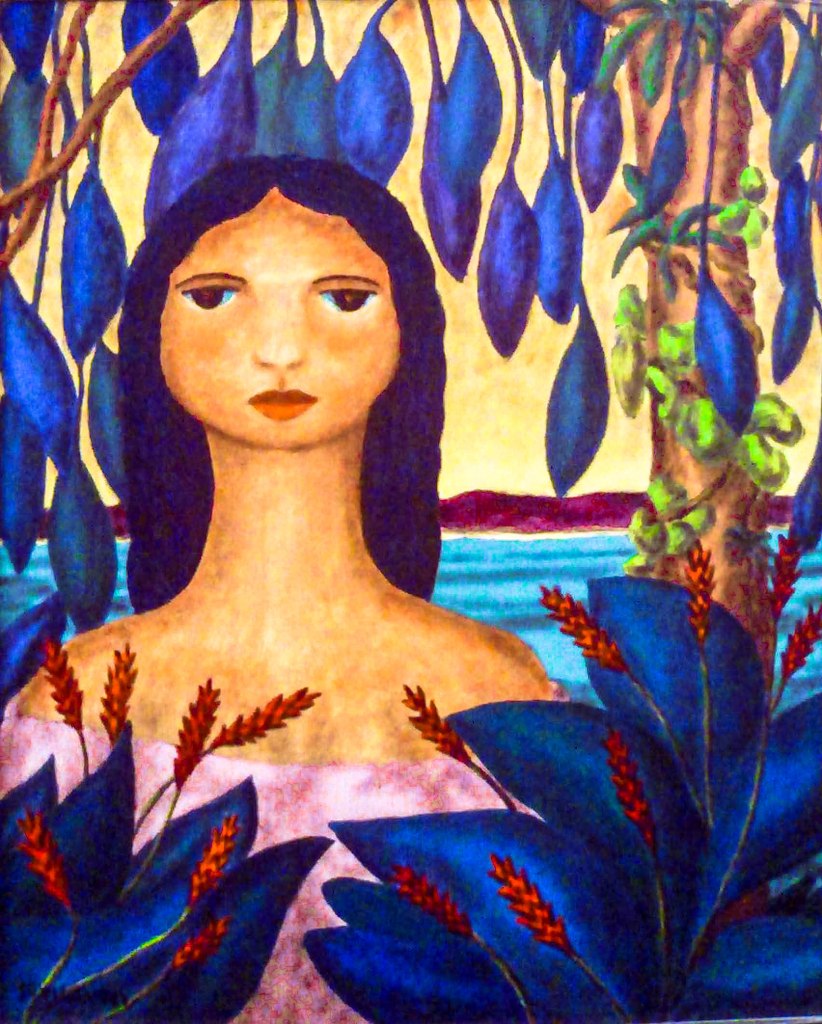
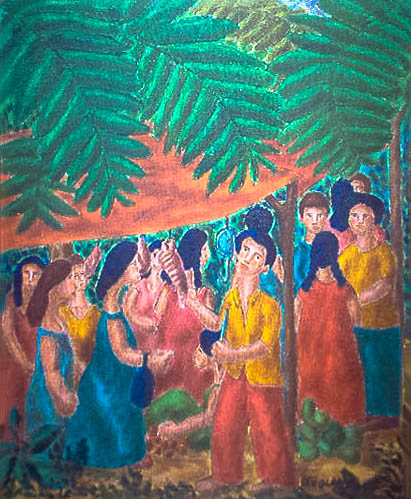
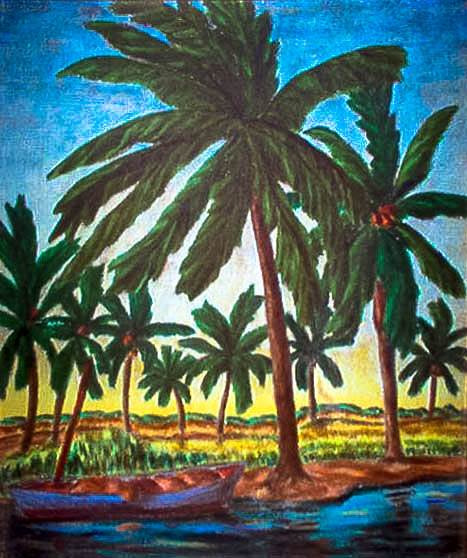
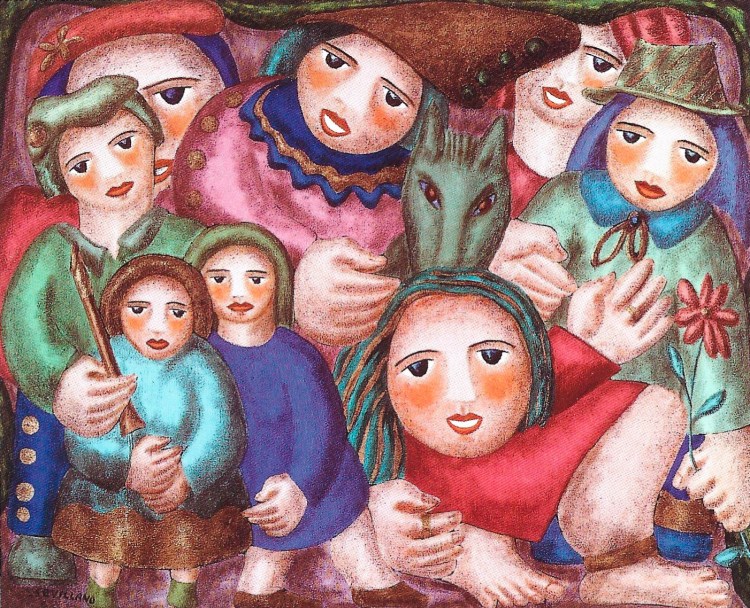
Group of characters. Private collection
Gold leaf, furniture and triptychs 1987 – 1994:
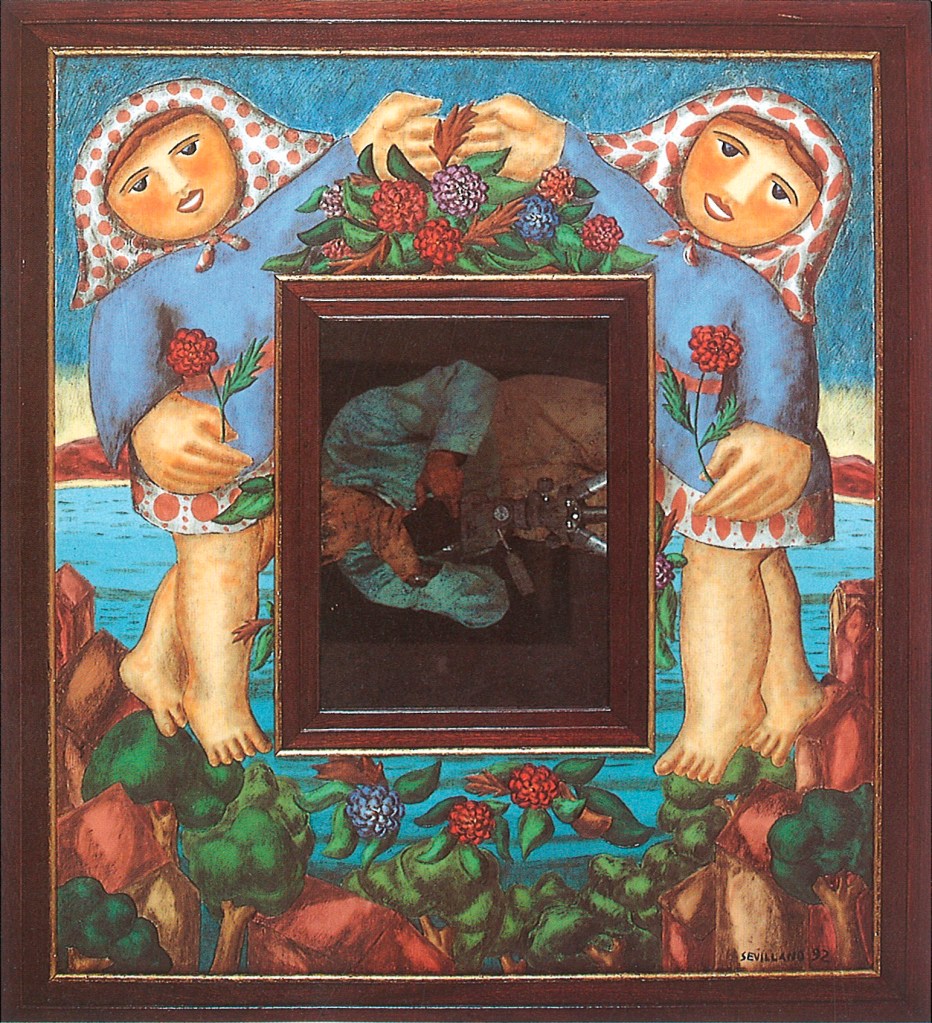
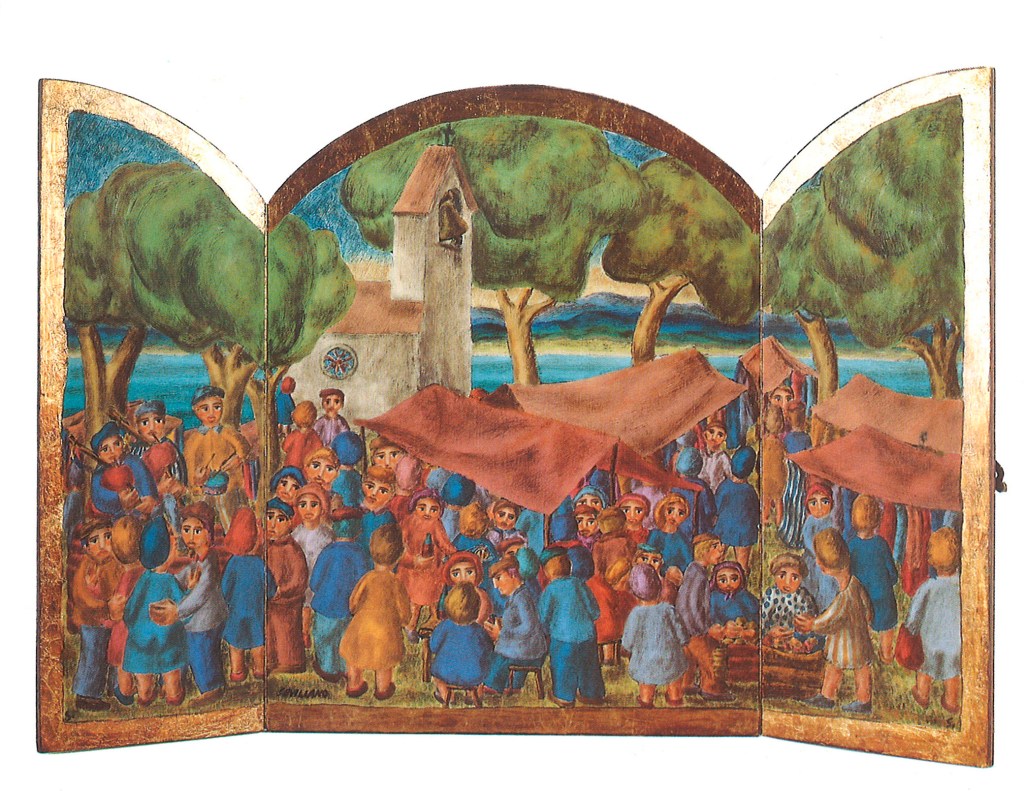
In January 1987 Sevillano returns to Spain to reside in Vilagarcía de Arosa, Pontevedra, where he works as a drawing teacher at the Carril High School Institute. It is from now on that he creates his most desired and emblematic works: in addition to the appearance of American characters and themes, he incorporates 24-carat gold leaf and silver leaf in his oil paintings.
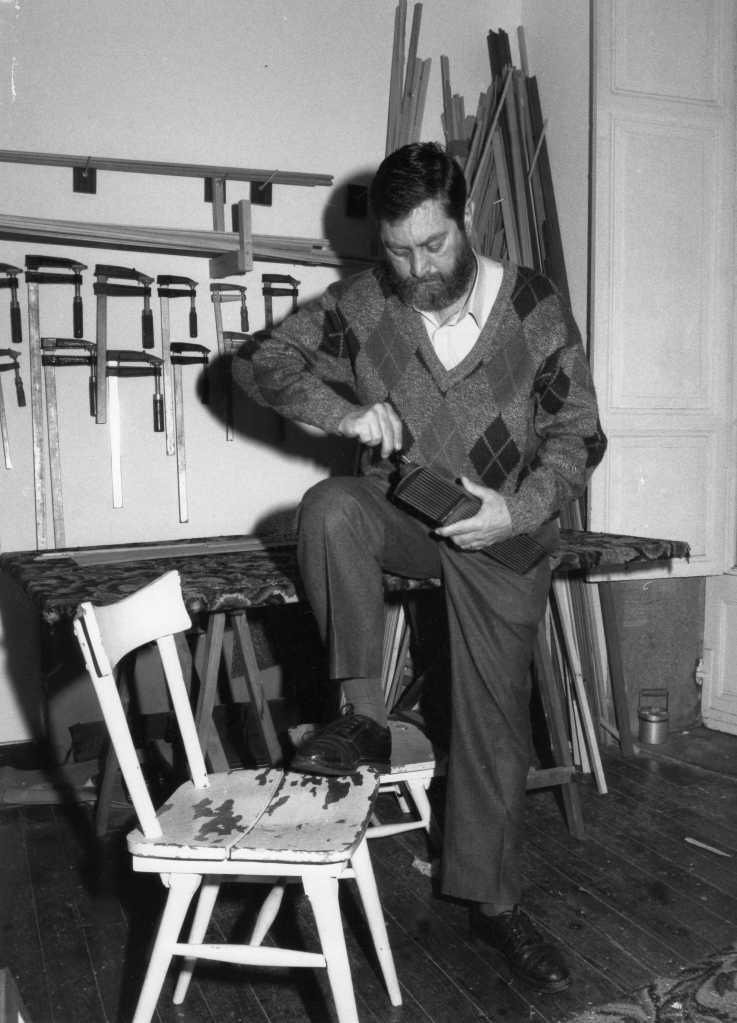
In addition to this, he undertakes a new production of furniture designed by himself, for which he invests in setting up a joinery and carpentry workshop in his home. The series of furniture and triptychs is made of fine woods, with mahogany-colored finishes, bronze ironwork and oil-painting panels with 24-karat gold leaf. The production, which unfortunately was very short due to his sudden death, is summarized in ten pieces (three of which are unfinished); and of which only two are in the possession of private collectors. Some of them were exhibited in the exhibition of La Casa de la Parra de Santiago, in 1992 and can be seen in the catalog published by the Government of Galicia.
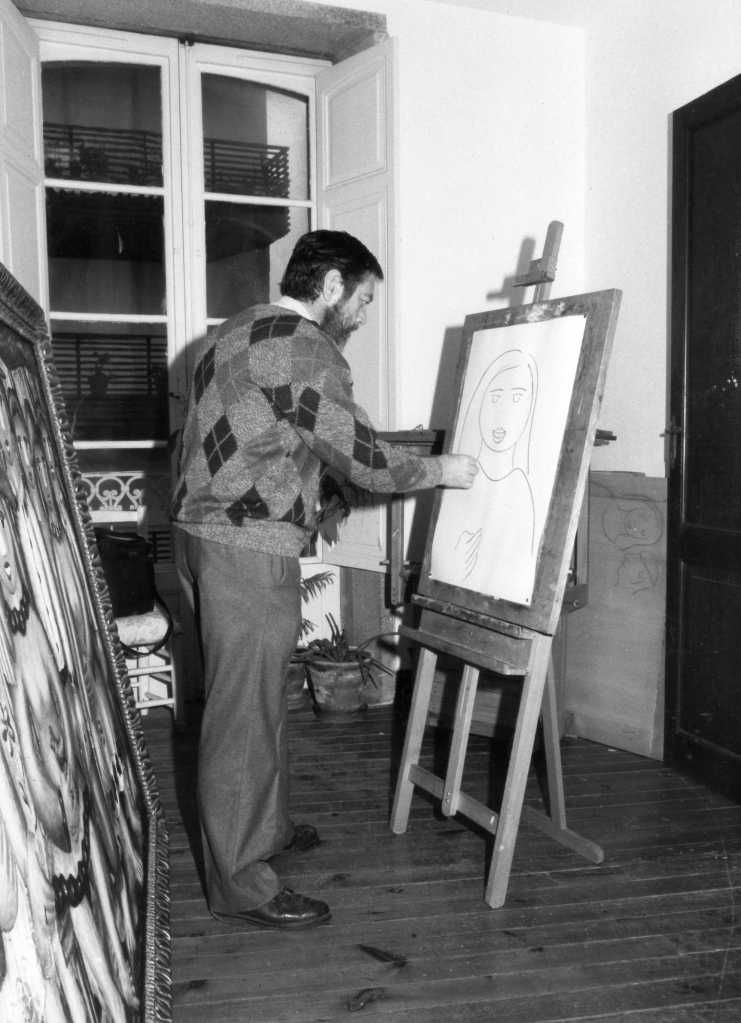
During this time, when he returned from work at school, he spent the afternoons painting in his studio while listening to classical music or working in the carpentry workshop. They were buoyant years of great productivity, during which he made exhibitions and commissions.
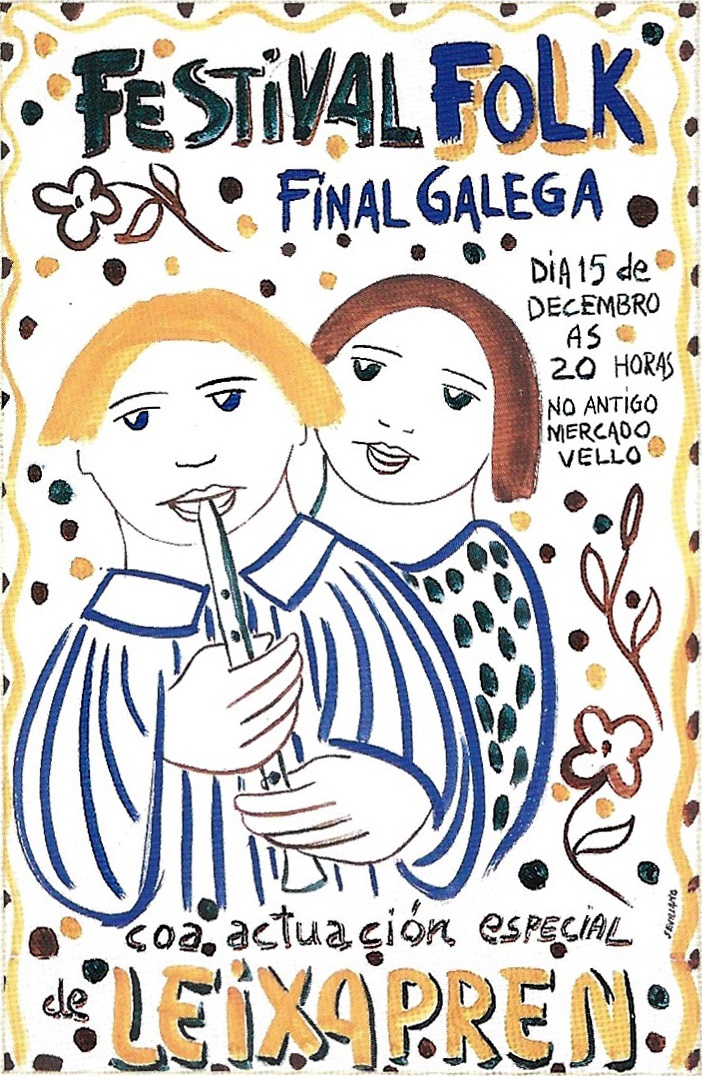
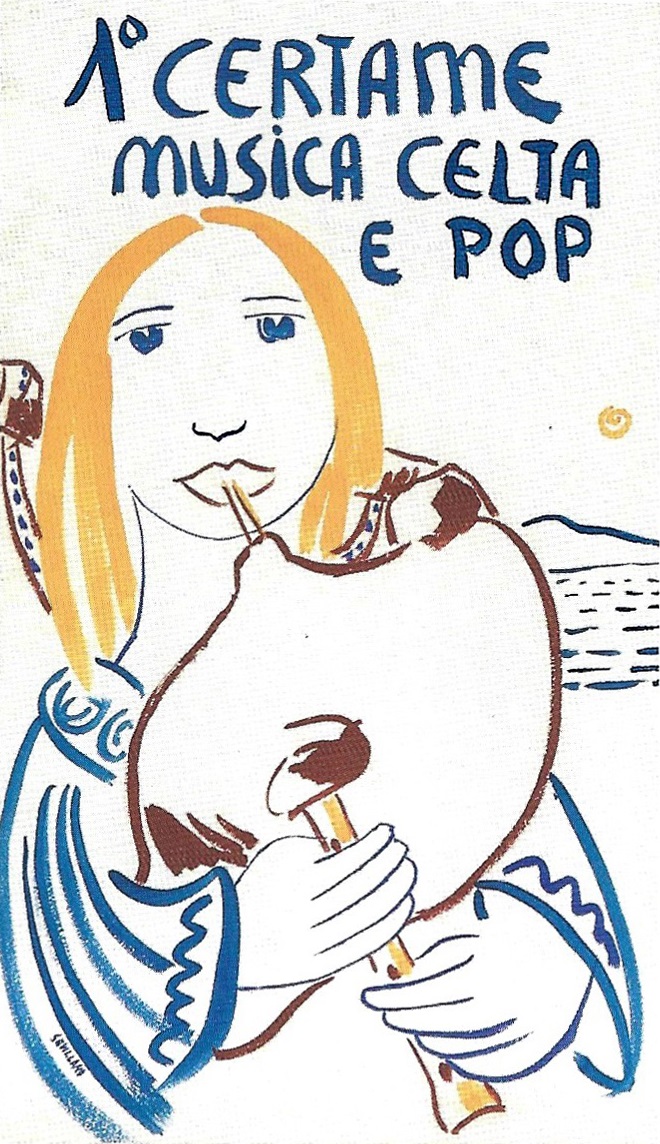
Advertising posters designed by Sevillano for folk music festivals
In addition to the furniture, Sevillano was commissioned by entrepreneurs from Dairy Group Larsa to paint an oil mural on a column in their private villa in Galicia. Which appeared exclusively in a report about the villa in the prestigious spanish interior decoration magazine Nuevo Estilo in 1990. The only mural of this type over a wall of a property.
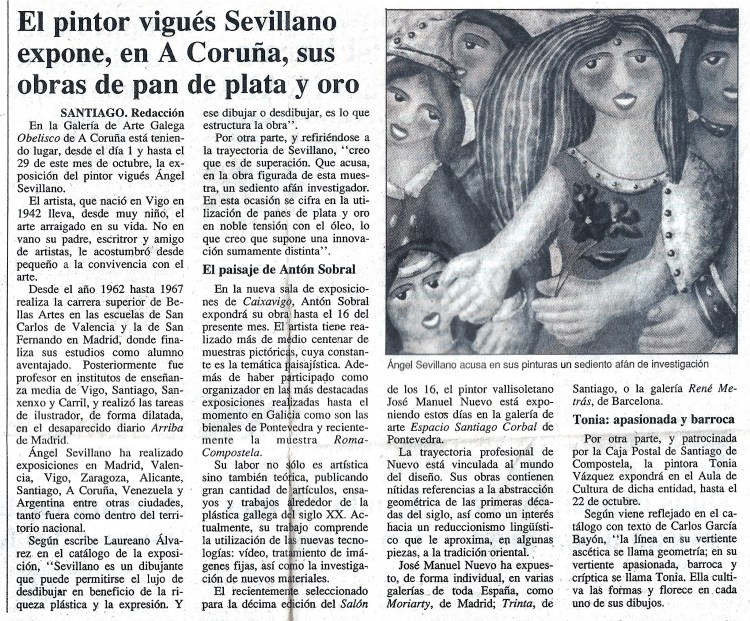
During his career, many public and private institutions acquired works by Sevillano, among which the following stand out: the Abanca Foundation, the Quiñones de León Museum, the María José Jove Foundation, the Costa da Morte Museum of Contemporary Art, the Cultural Center Caixa Vigo, Torre Pujales Foundation, the Galician Center for Contemporary Art, the FEIMA Madrid Foundation, the Cortizo Art Collection of the Cortizo Business Group, and the Xunta de Galicia (Goverment of Galicia). One of the last acquisitions made by the Goverment was a mural of almost two meters that Manuel Fraga himself received, president of the Community of Galicia between 1990 and 2005; and which was destined for the office of the president at the headquarters of the Government of Galicia in Santiago de Compostela.
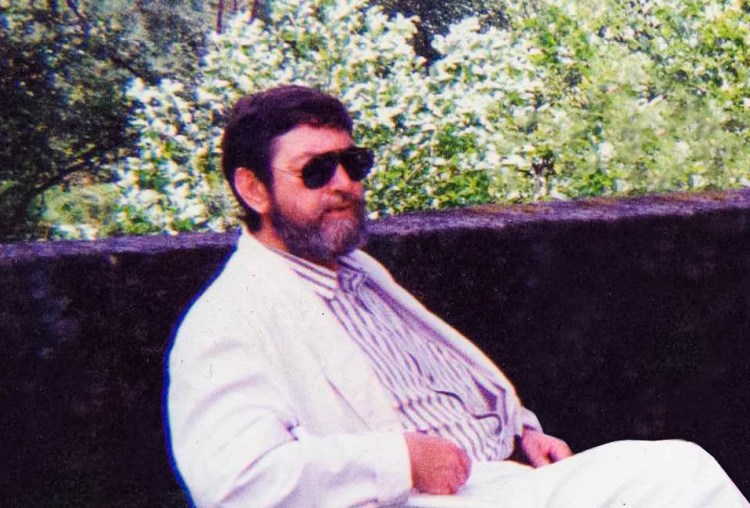
After a family vacation in the summer of 1993, Sevillano begins to find himself with symptoms of what seemed to be a common cold that did not subside. Going to the doctor and performing the relevant tests, he was diagnosed with cancer. Despite the illness and the tediousness of the treatment, he tirelessly continued working on his art, making exhibitions and even driving his car; leading a life as normal as possible. But in July 1994, before undergoing a bone marrow transplant surgery, he died at the Montecelo Hospital in Pontevedra, surrounded by his family and close friends.
Broken dreams:
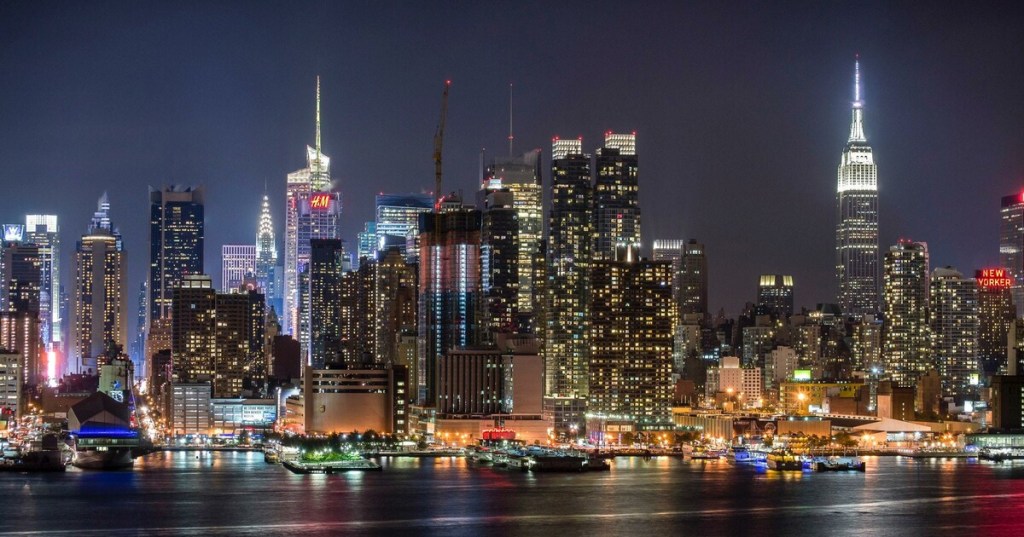
Shortly before, Sevillano was preparing an exhibition in New York, which had to be canceled when he was diagnosed with cancer. We will never know the impact or the trajectory that his professional career would have continued after that event in the United States. But since physical death is not the end of an artist’s success, his art still has a long way to go.
Almost 30 years after the death of a great artist. 1995 to present:
On July 28, 1995, the Tribute to Sevillano took place; an exhibition organized by the Government of Galicia in which 80 artists participated with his works, among whom were fpersonalities such as Laxeiro, Barreiro, the archeologist Pablo Novoa Álvarez, Tejeda, Xurxo Alonso, Manolo Chazo, Manuel Aramburu, Rafael Freijeiro, José Grangel, Antón Sobral, Leopoldo Varela… A donation of works was also made by some of the artists for the creation of a Sevillano Gallery Hall.

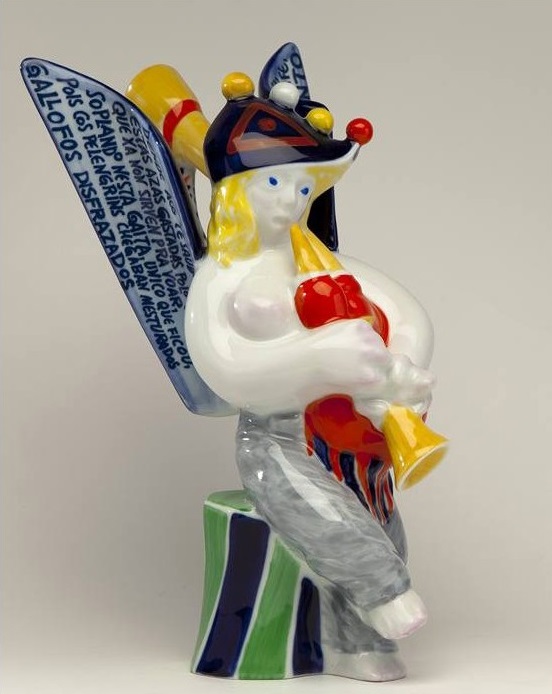
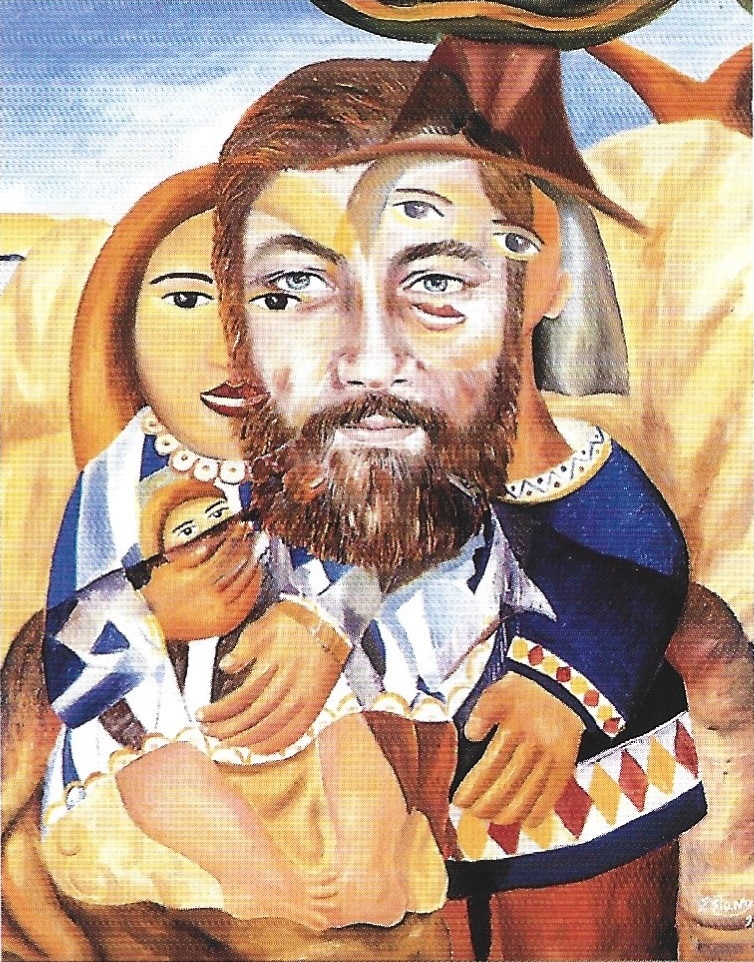
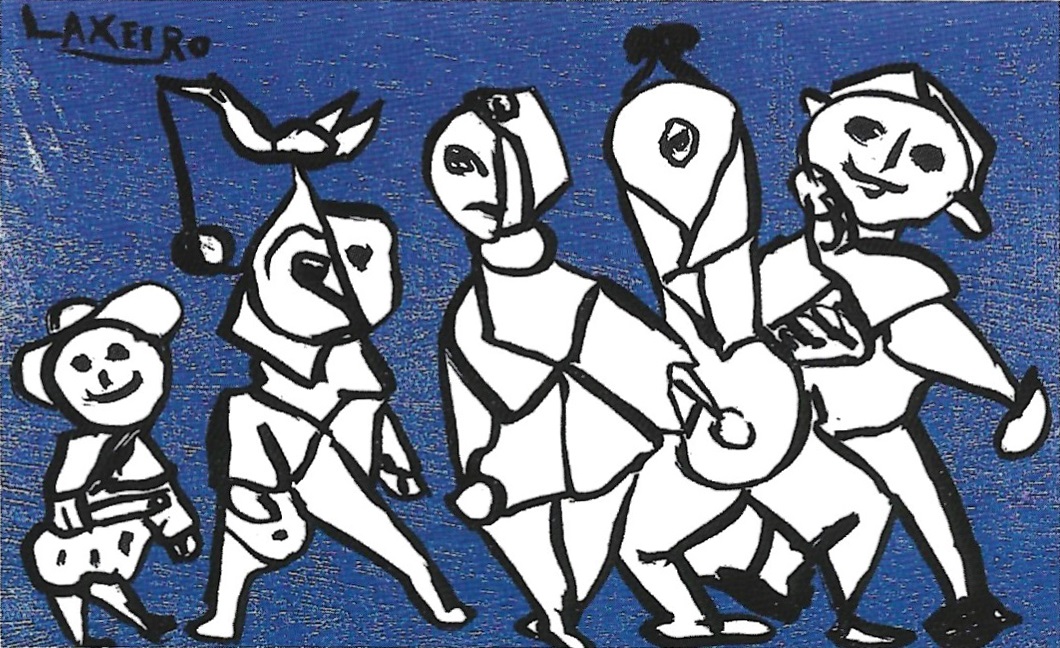
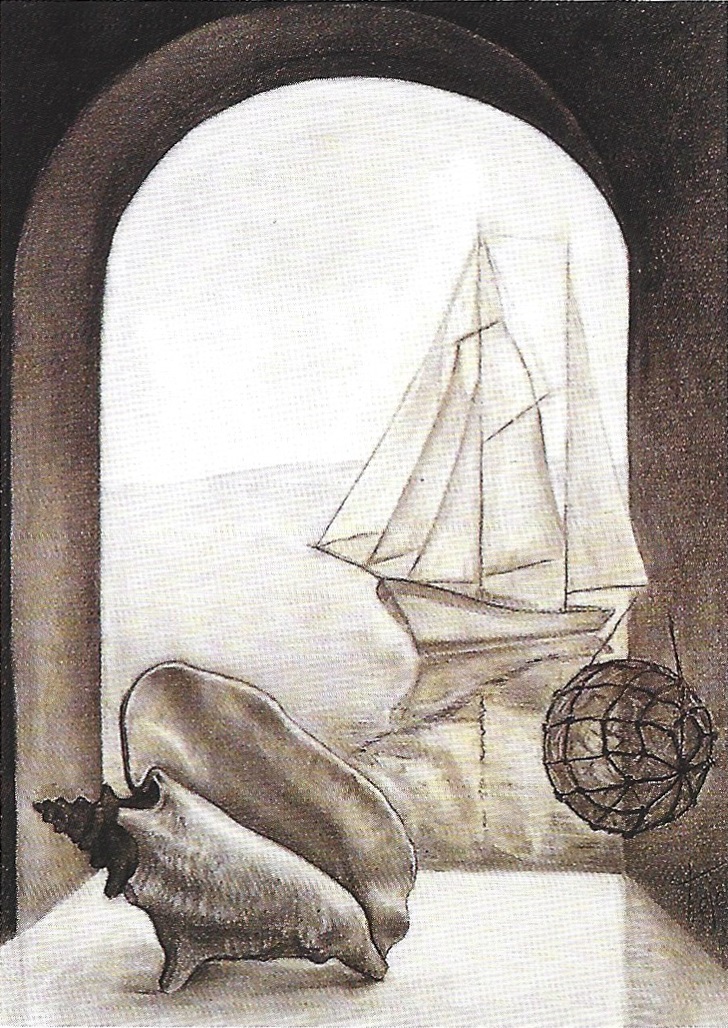
Some of the works that were exhibited. From left to right: Roberto Martínez Estanga, Laxeiro y Carlos Tejeda.
In 1998 Sevillano’s widow moved with her daughter to America for health reasons, so the works donated for the creation of the gallery hall, which were on deposit at the High School Institute of Carril (now I.E.S. Miguel Ángel González Estévez), are in charge of the director of the institute and personal friend of Sevillano, Miguel Ángel González Estévez. To be delivered to Xavier Senín, Secretary of Culture of the Xunta de Galicia.
In 2001, the book collection Artistas Pintores was published by Nova Galicia Edicions, where in the volume XI, in addition to including false data in Sevillano’s biography, two forgeries appear: one that claims to belong to a private collection, and another property of Arte Alpide which was composed from three works that appear in the catalog of the exhibition of La Casa de la Parra in 1992. The volume has texts by Francisco de Pablos. Added to this, appear in the Galician market, multiple counterfeits that are sold at low prices which devalues the price of the works. As the family is outside of Spain, it is not possible to tackle this situation, of which they are not aware.
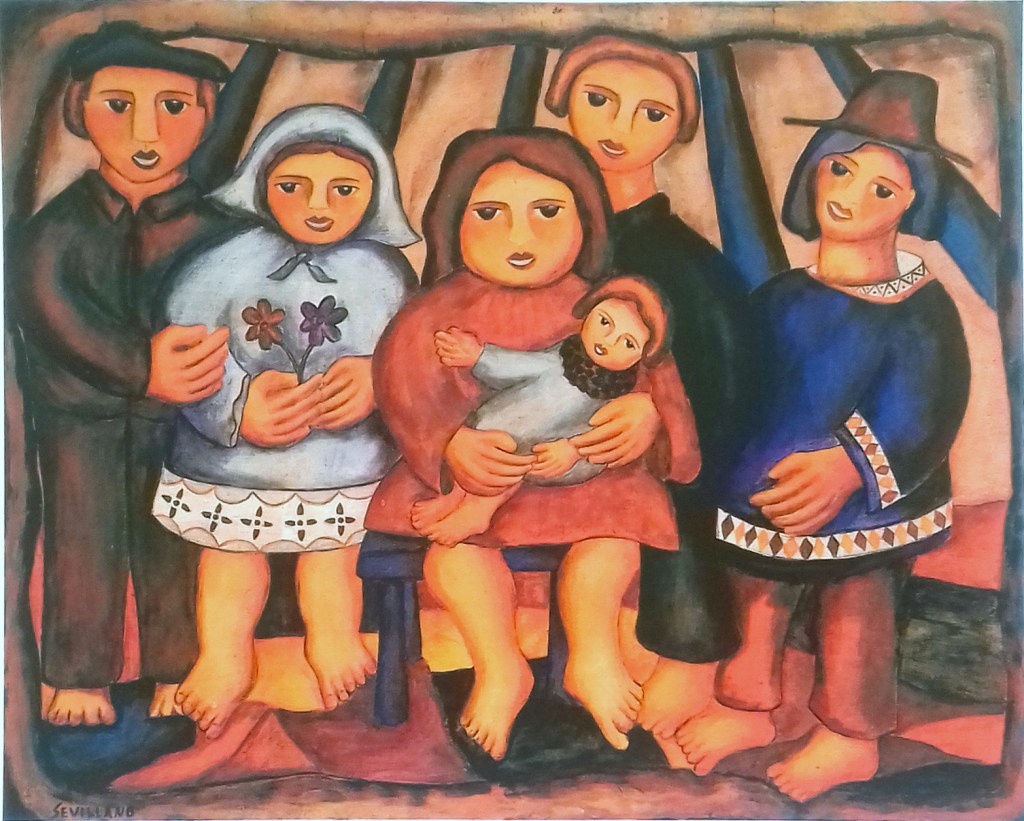
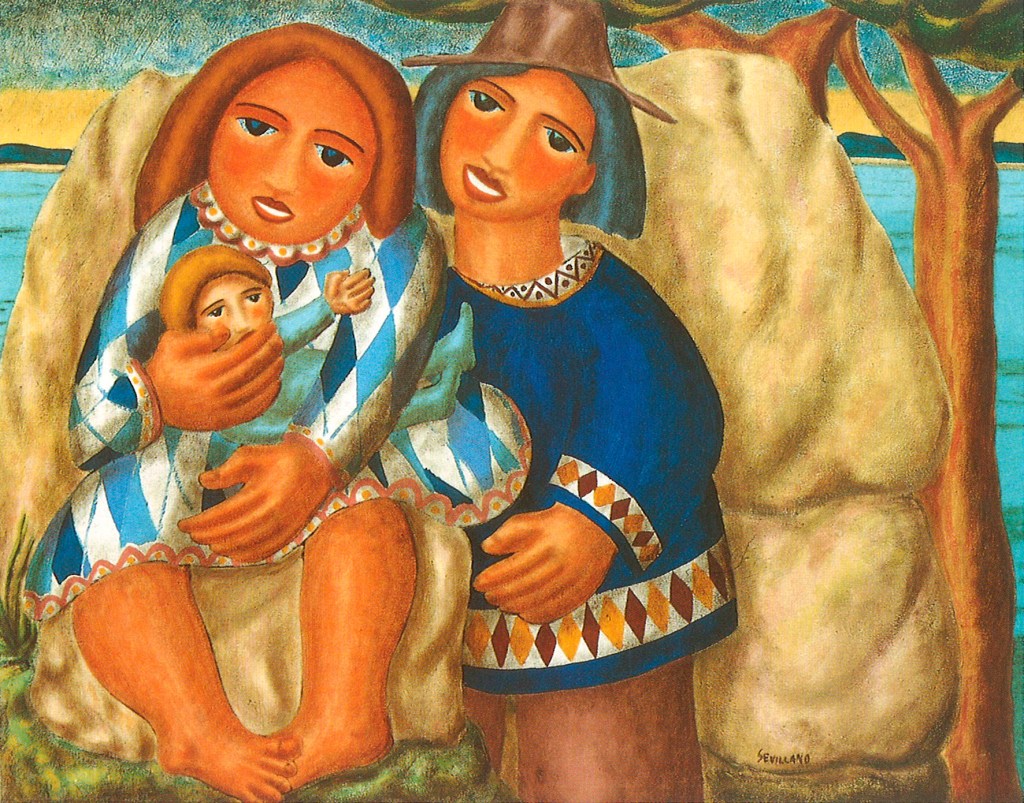
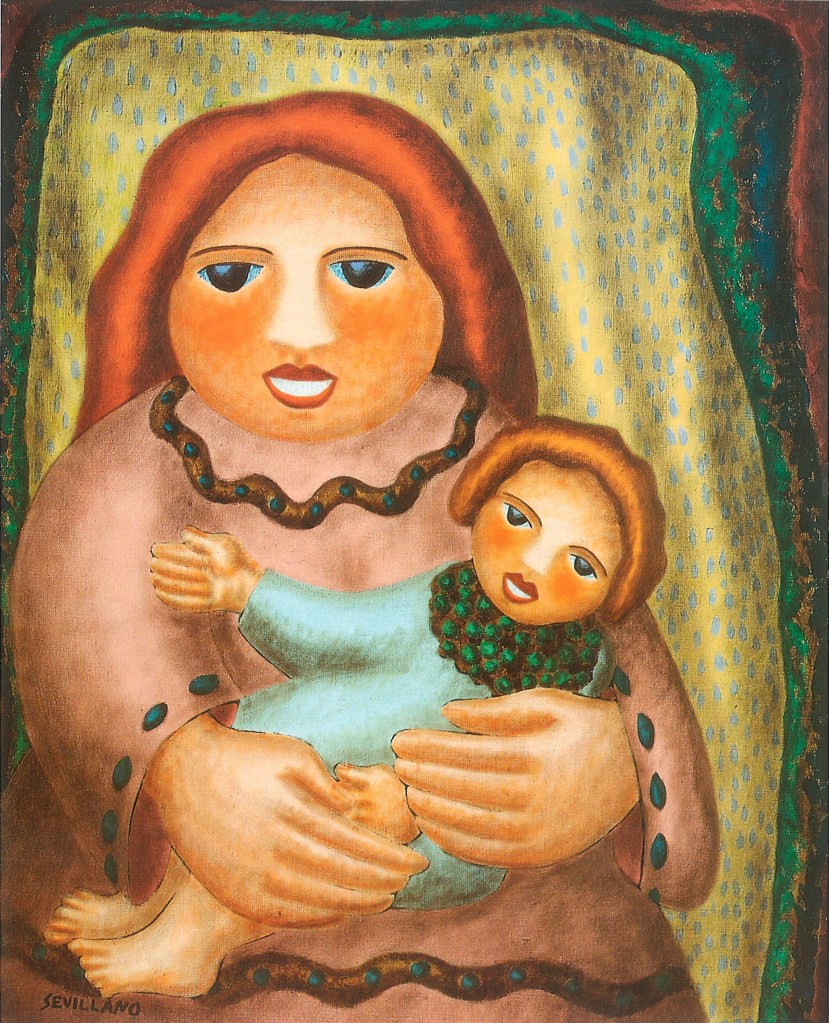
In 2003, an anthological exhibition of Sevillano is held and the Government of Galicia publishes a catalogue, presented by Jesús Pérez Varela, Minister of Culture of the Xunta de Galicia and María del Carmen García Campelo, General Director of Cultural Promotion.
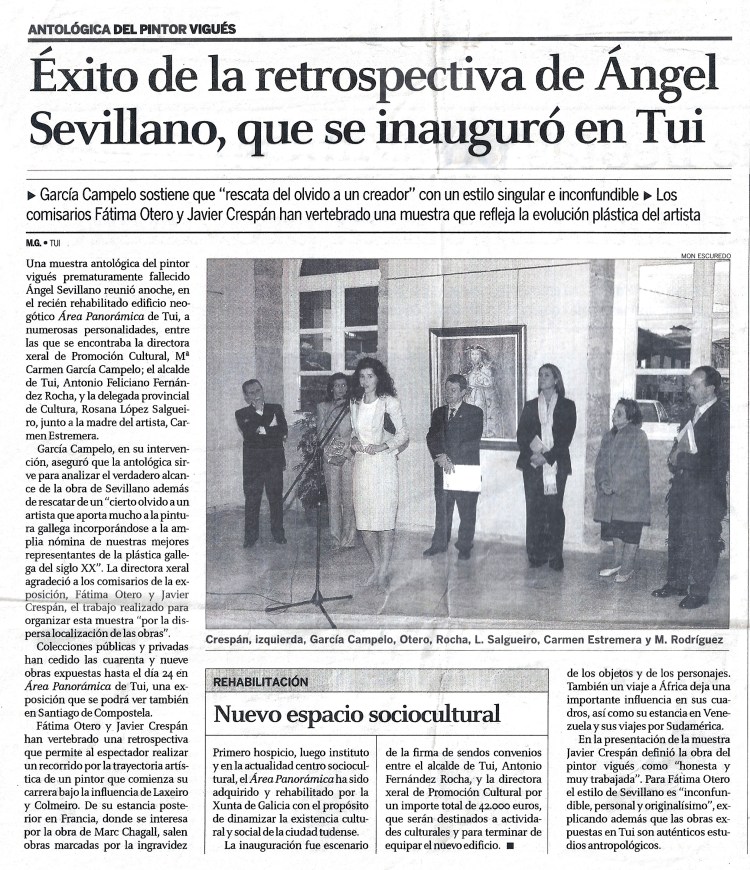
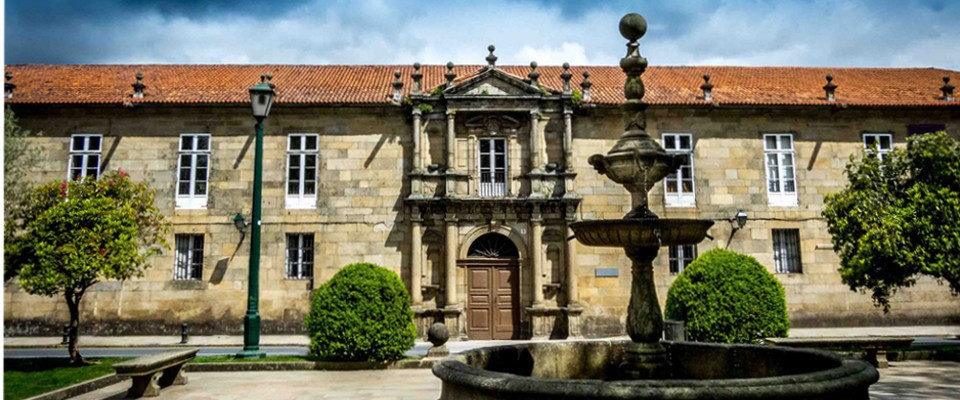
In 2004, a collective exhibition was held by the Xacobeo in the Chapel and Cloister of the Rosalía de Castro Institute, in Santiago de Compostela, where works by Sevillano are exhibited. Presided over by the president of the Community of Galicia Manuel Fraga, Jesús Pérez Varela, Minister of Culture, Social Communication and Tourism. José María Arias Mosquera, President of Banco Pastor and Ubaldo Rueda, director of the Rosalía de Castro Institute.
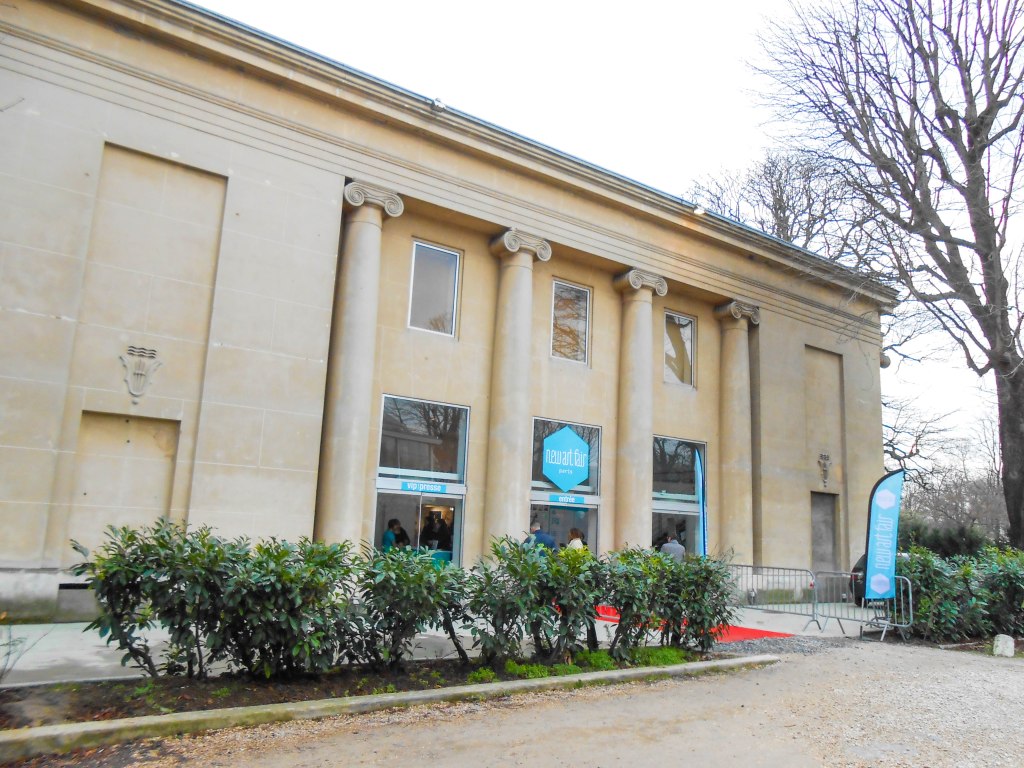
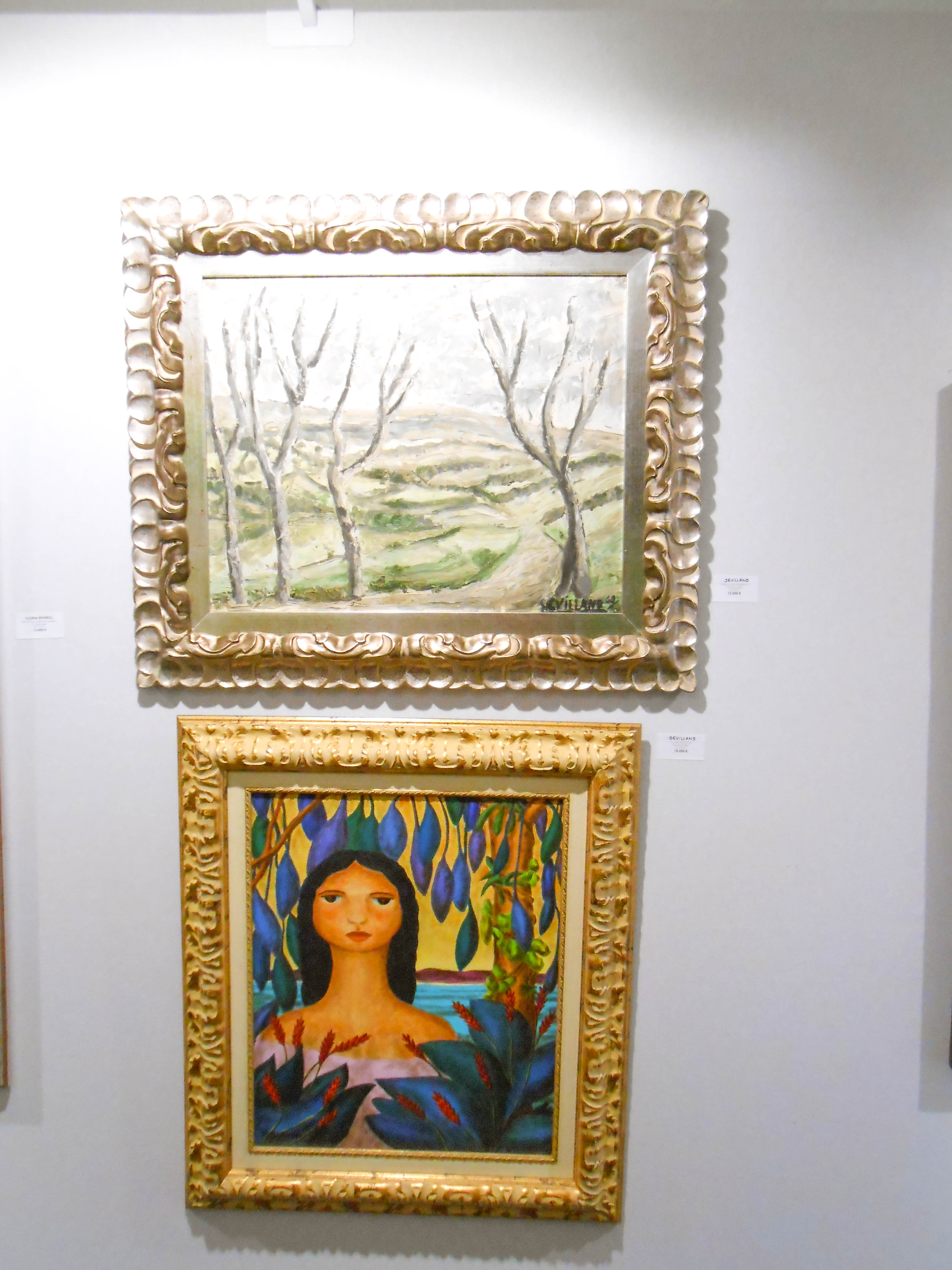
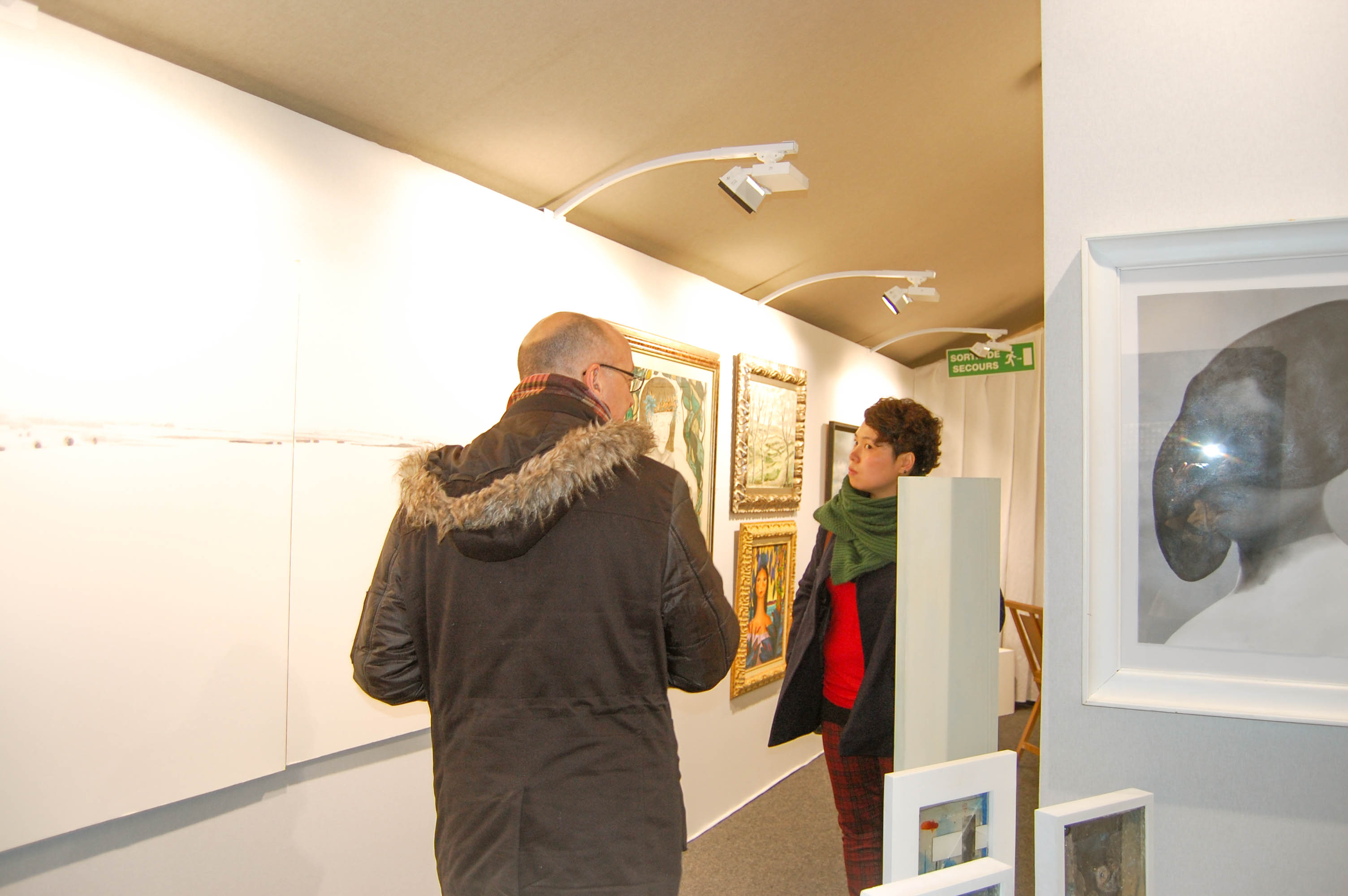
In 2013, works by Sevillano are exhibited at the New Art Fair Paris, Space Pierre Cardín on the Champs Elysées in the city of Paris. France.
In March 2019, Sevillano’s family suffered a robbery where several paintings were stolen and which was reported to the Intelligence Directorate of the Police and Government Entities. (If you are aware of any work by Sevillano that is for sale and suspect that it may have been obtained illegally, please contact us through the contact form).
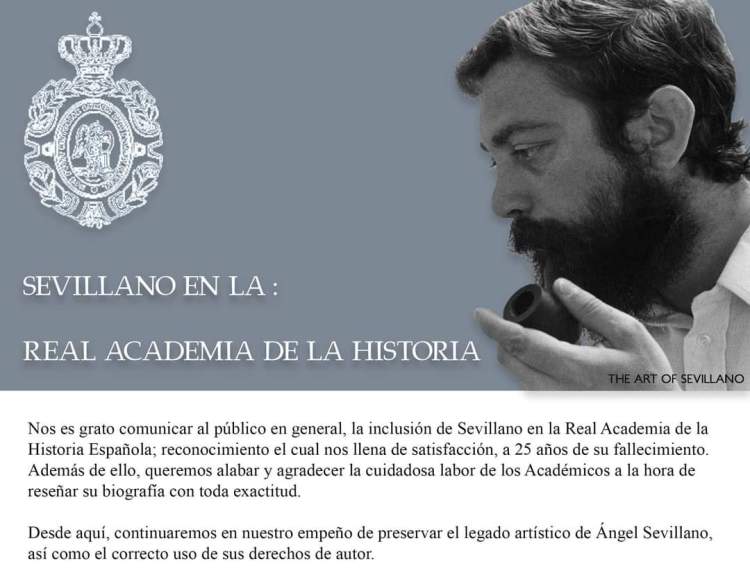
In September 2019, 25 years after the death of Sevillano, the Royal Academy of the History of Spain includes him in its biographical dictionary, which includes more than 50,000 personalities who have influenced the History of Spain.
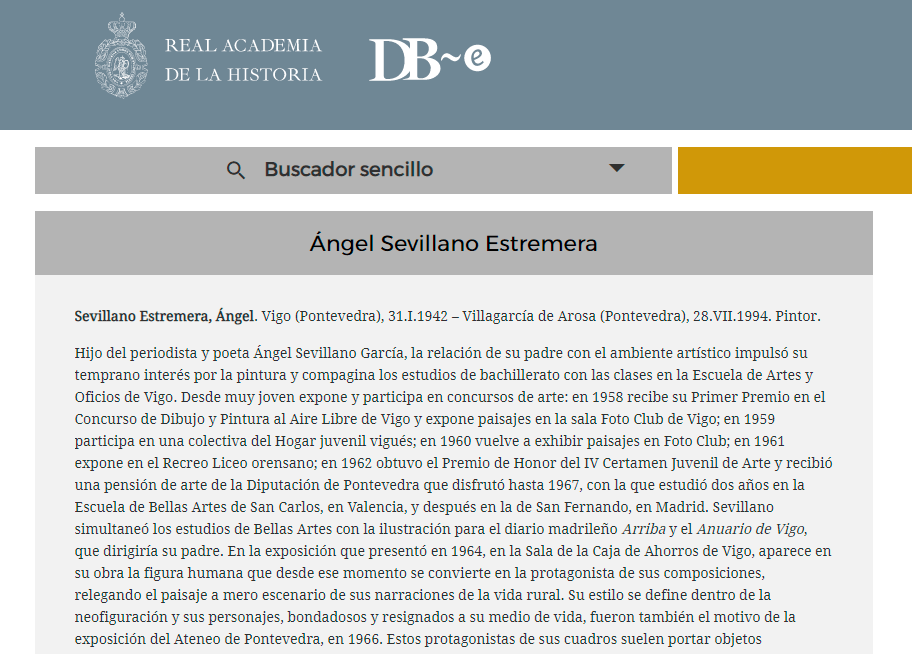
In 2021 we created this website to make Sevillano art known to the public. Our deed is to continue working with his legacy for present and future generations.
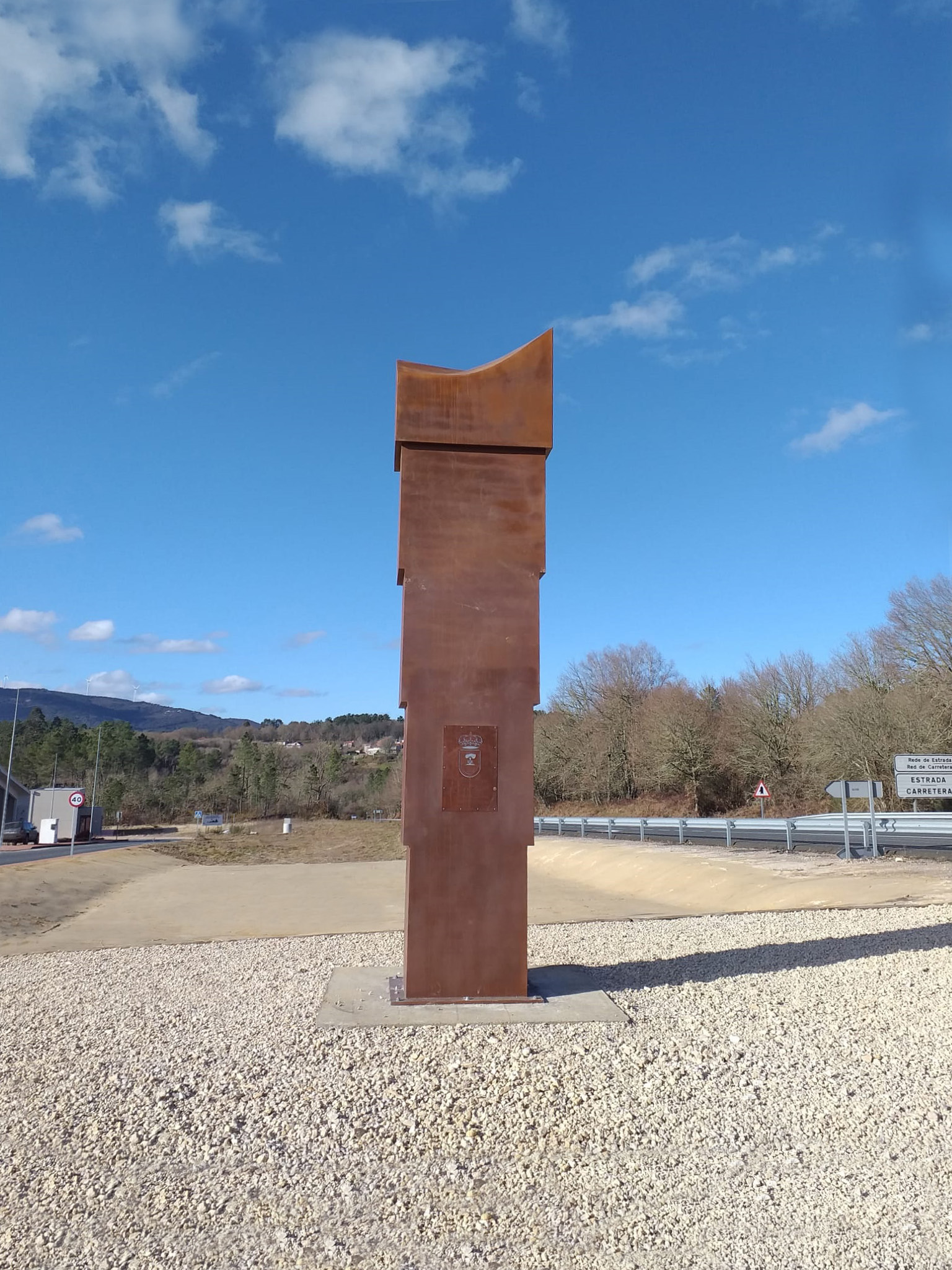
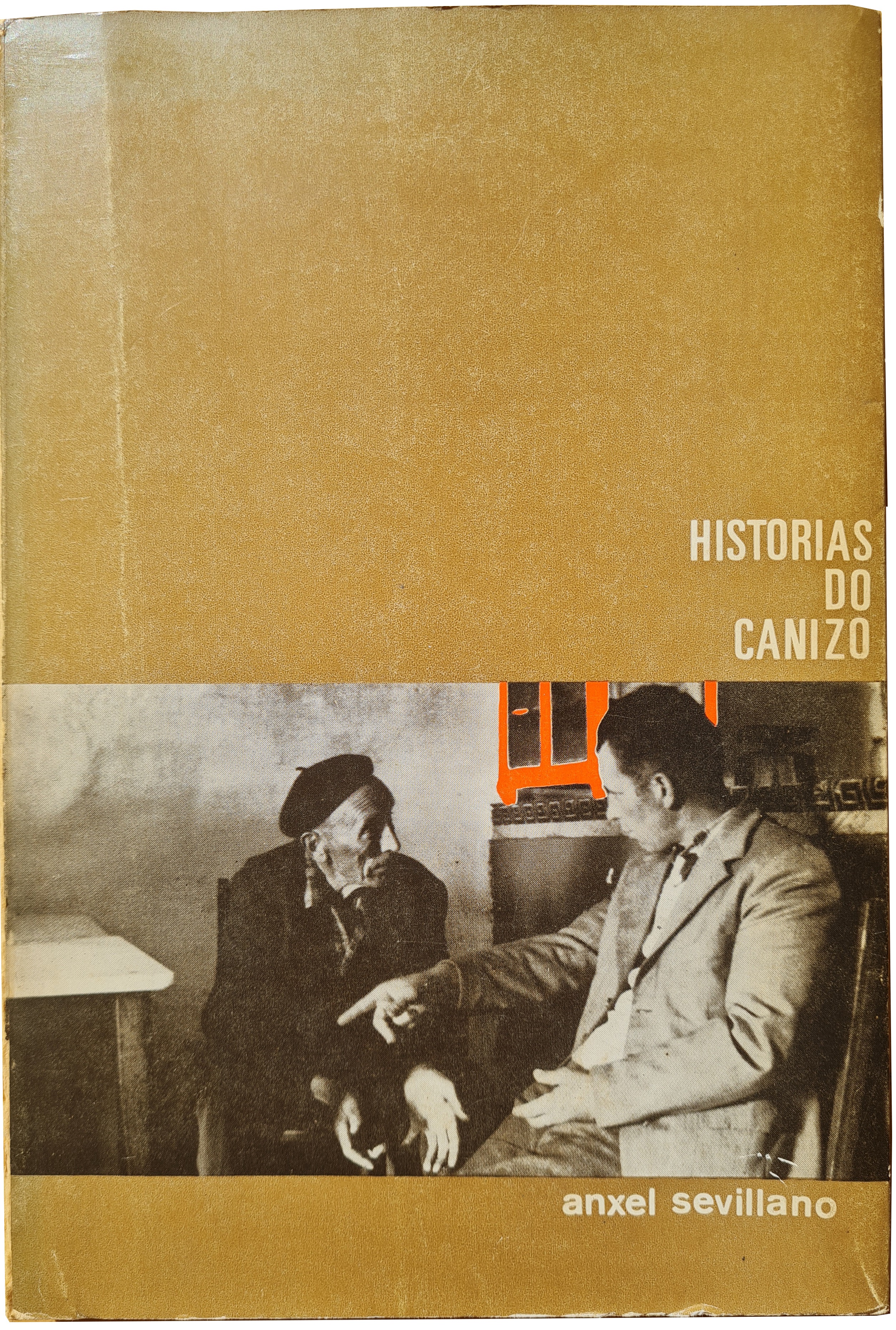
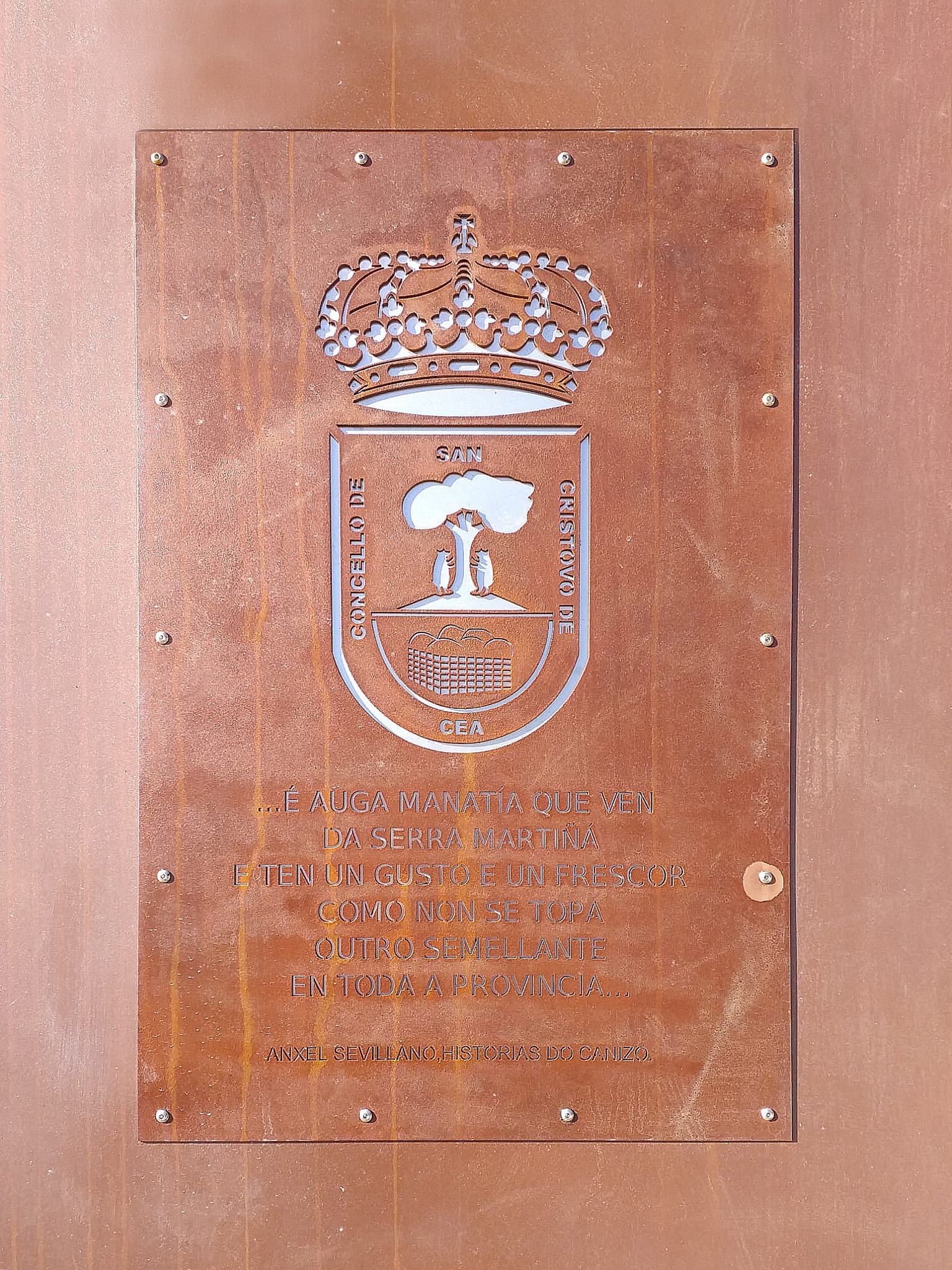
In 2022 a monolith with a commemorative plaque is inaugurated, in the Galician municipality of San Cristovo de Cea, in homage to the father of Ángel Sevillano. The journalist and writer Ángel Sevillano García.
This website has been created by the Sevillano family. The total or partial reproduction of the contents of this website, including but not limited to images, texts, artworks, and any other material, is expressly prohibited without the explicit written authorization of the rights holders. Any unauthorized use will constitute a violation of intellectual property rights and will be subject to corresponding legal actions. Sevillano Art 2021 – 2023, All Rights Reserved.
 Colección Sevillano